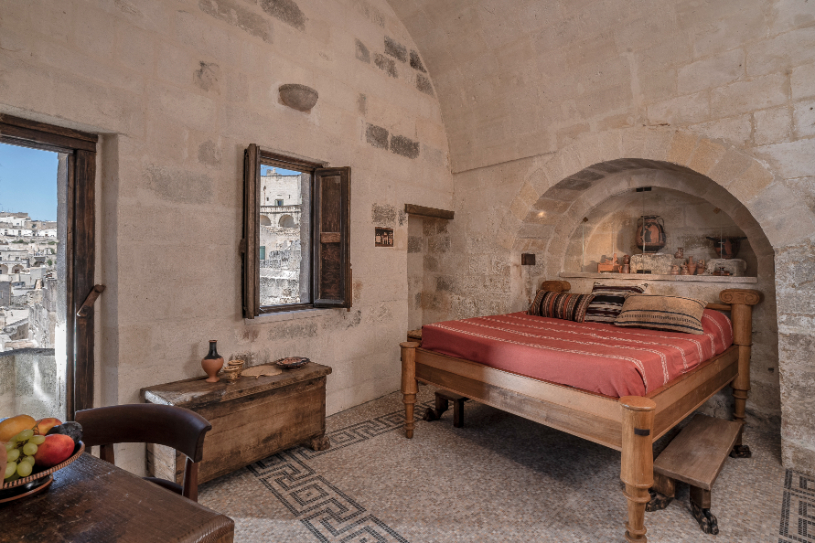
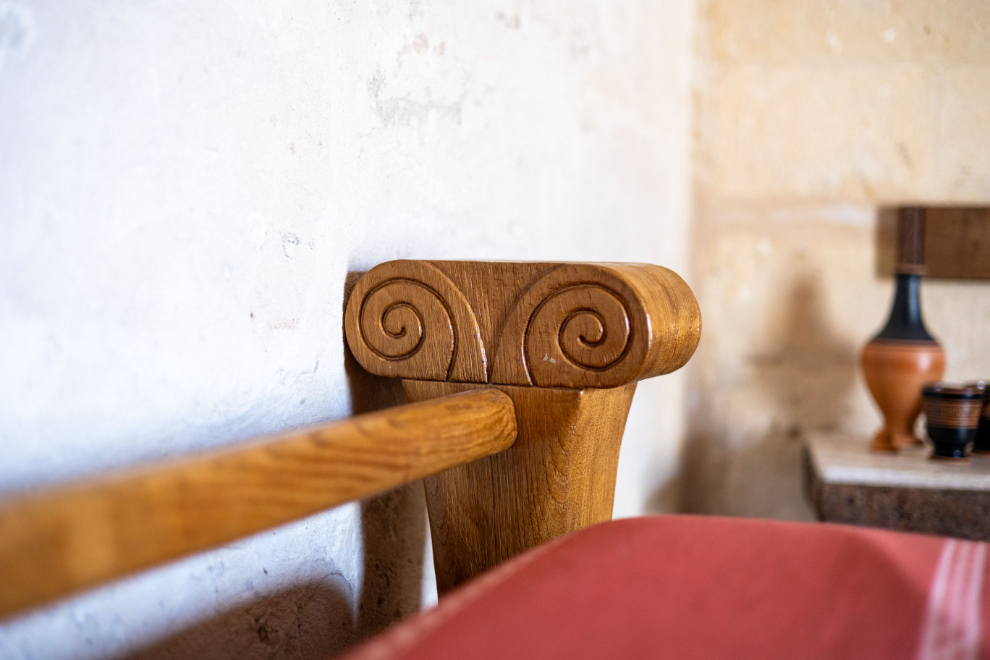
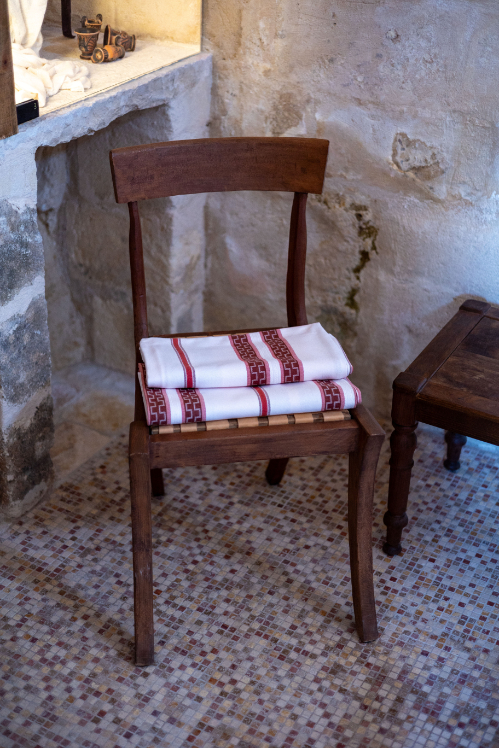
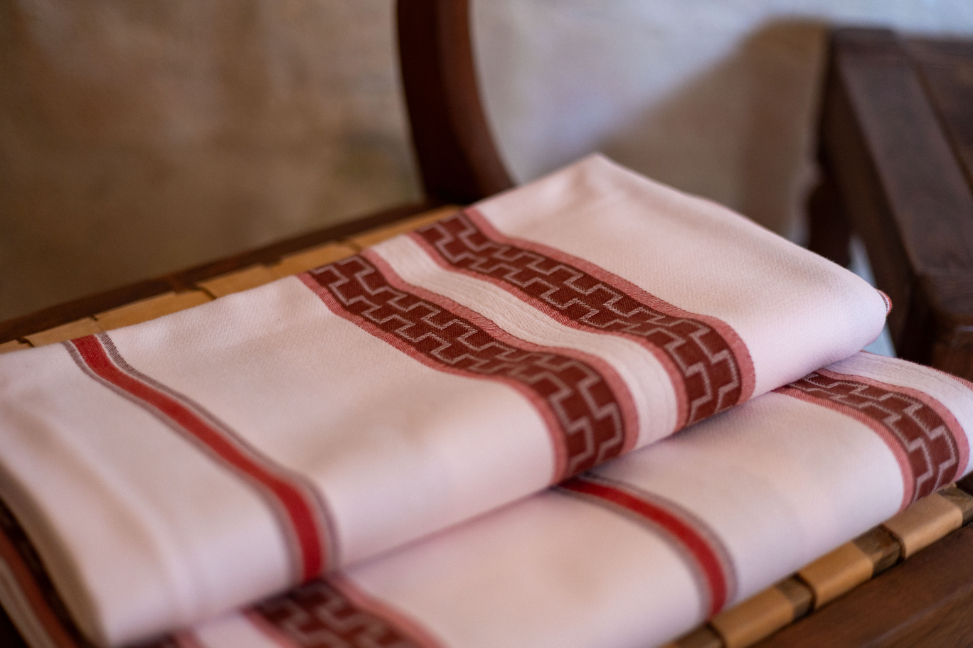
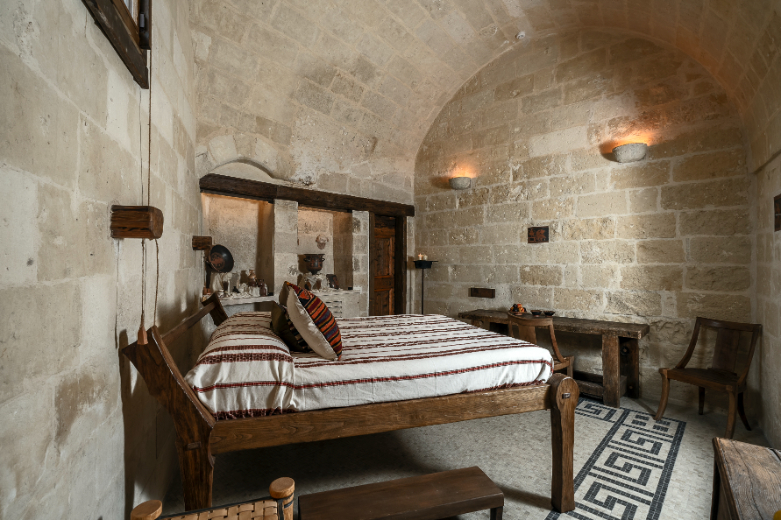
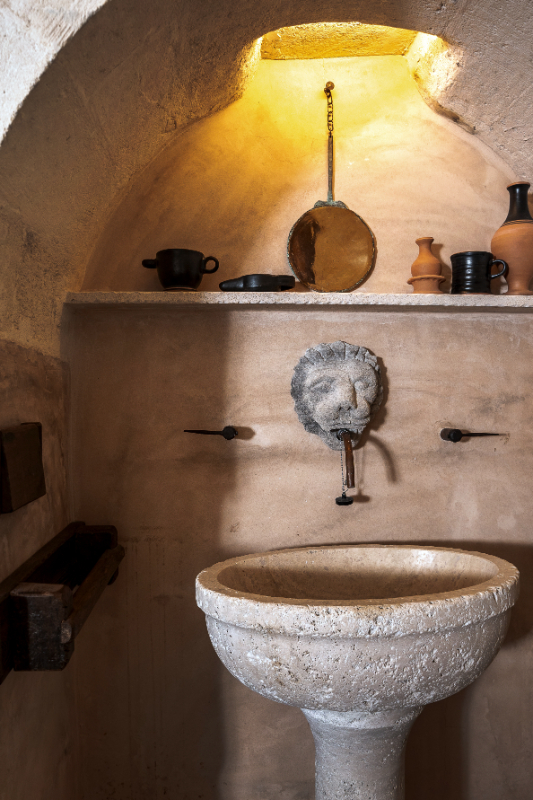
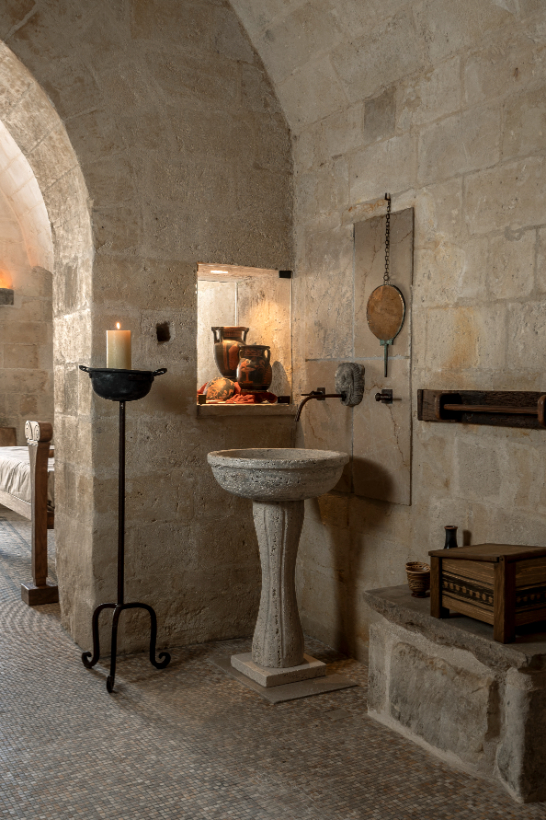
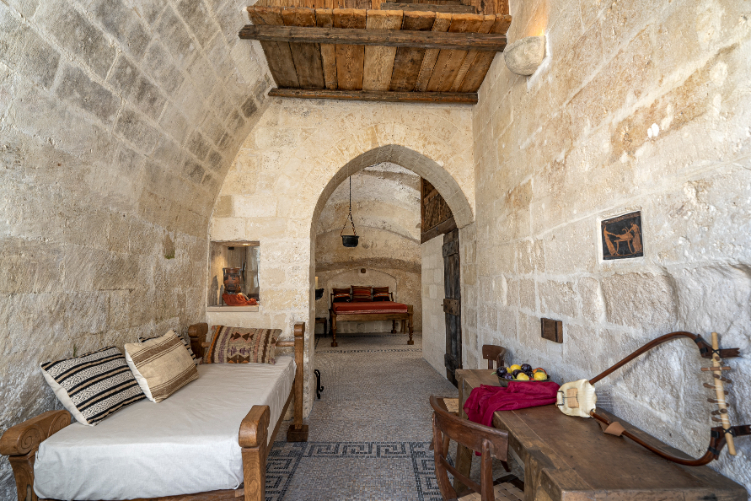
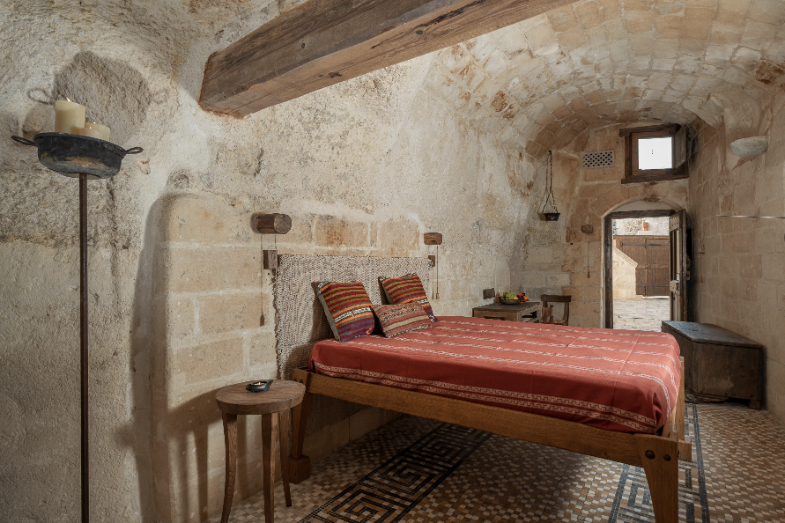
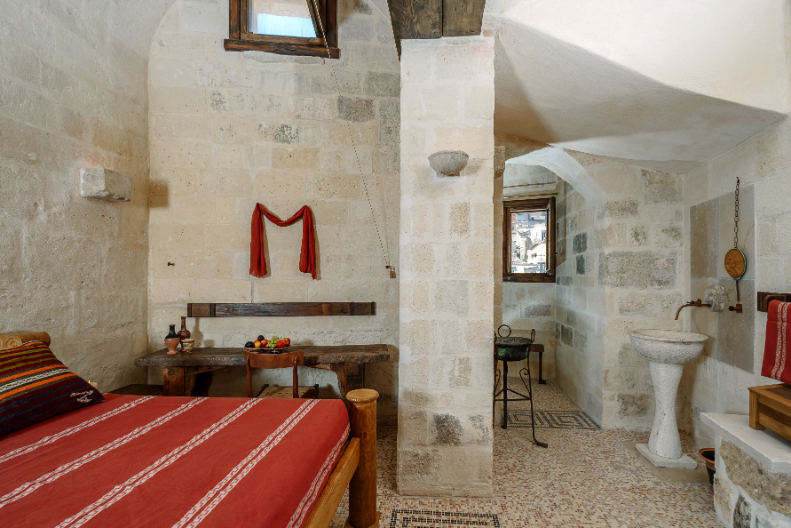
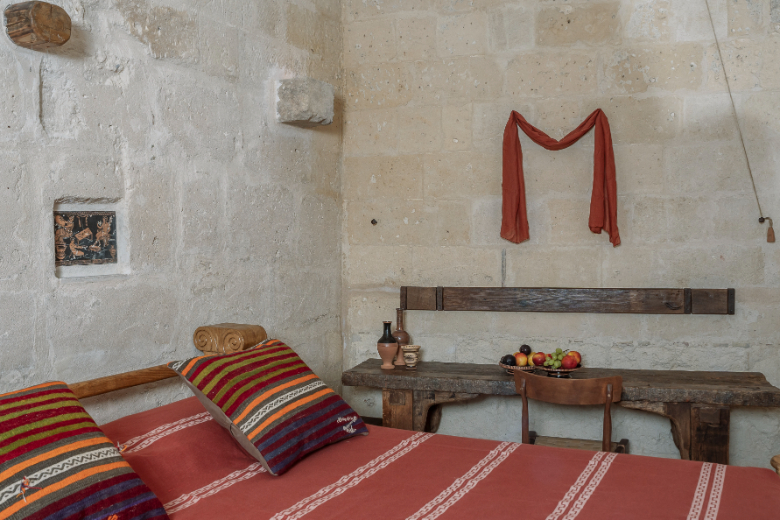
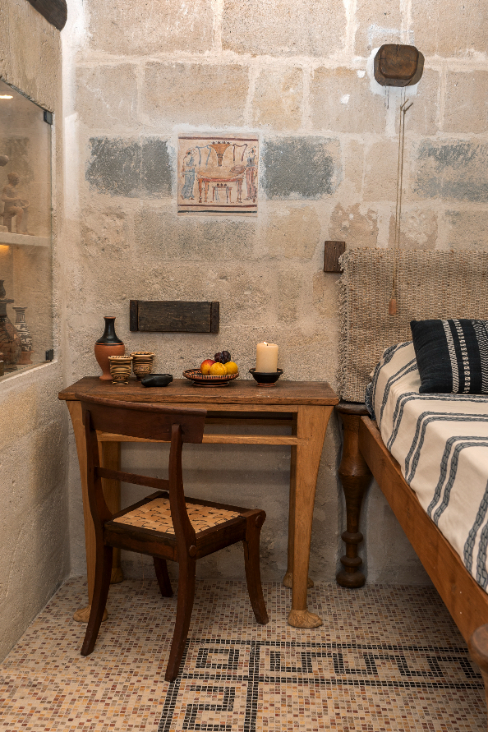
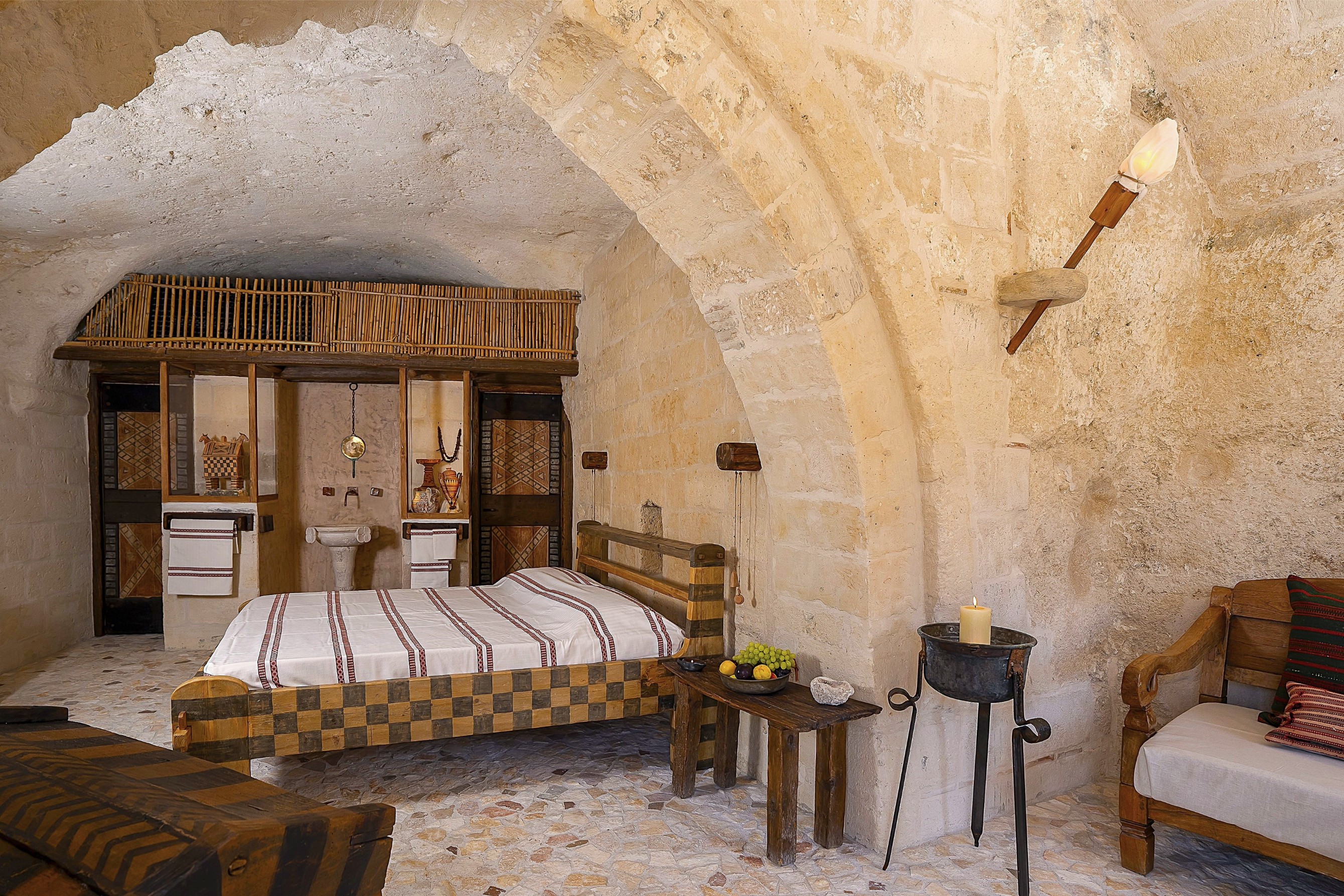
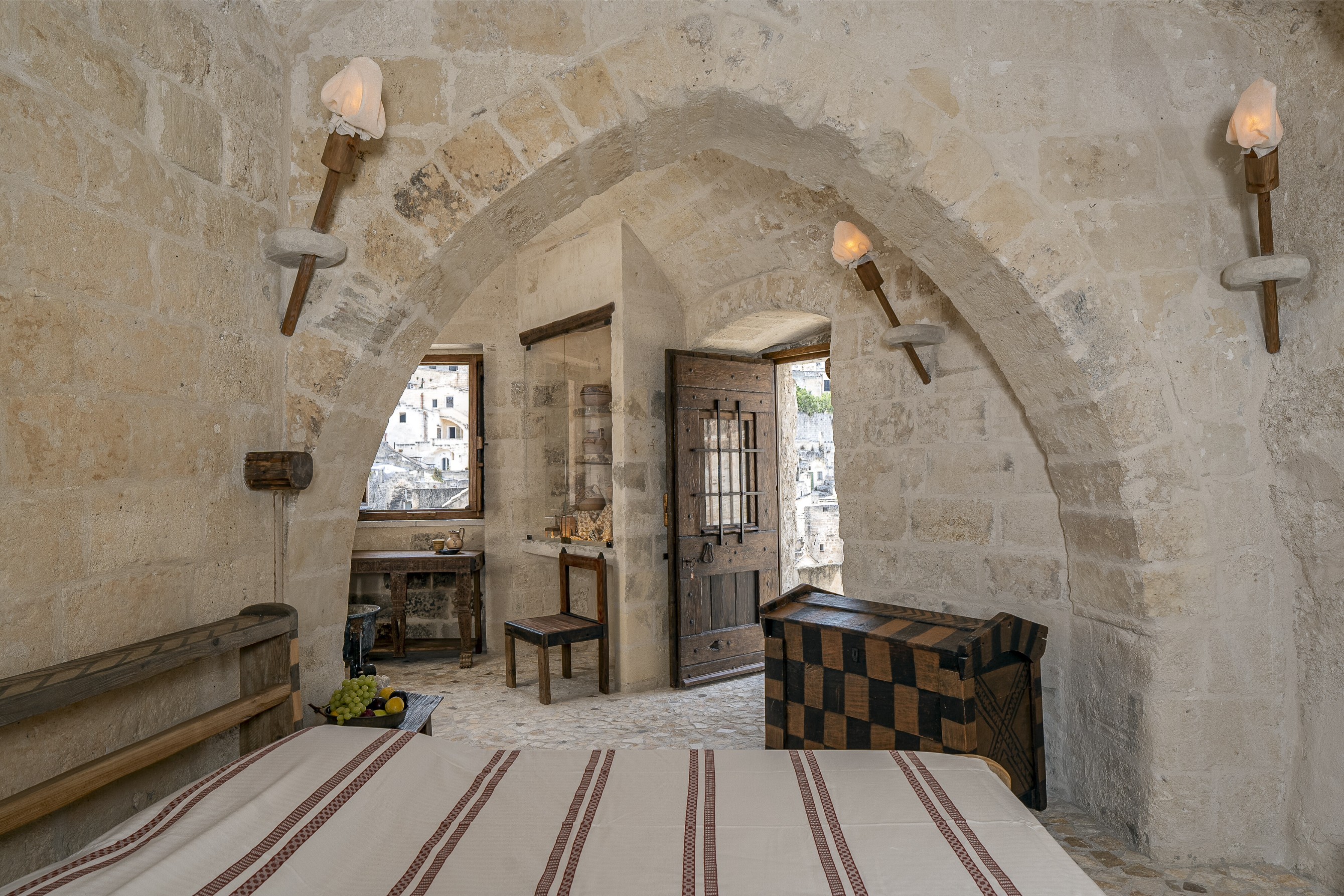
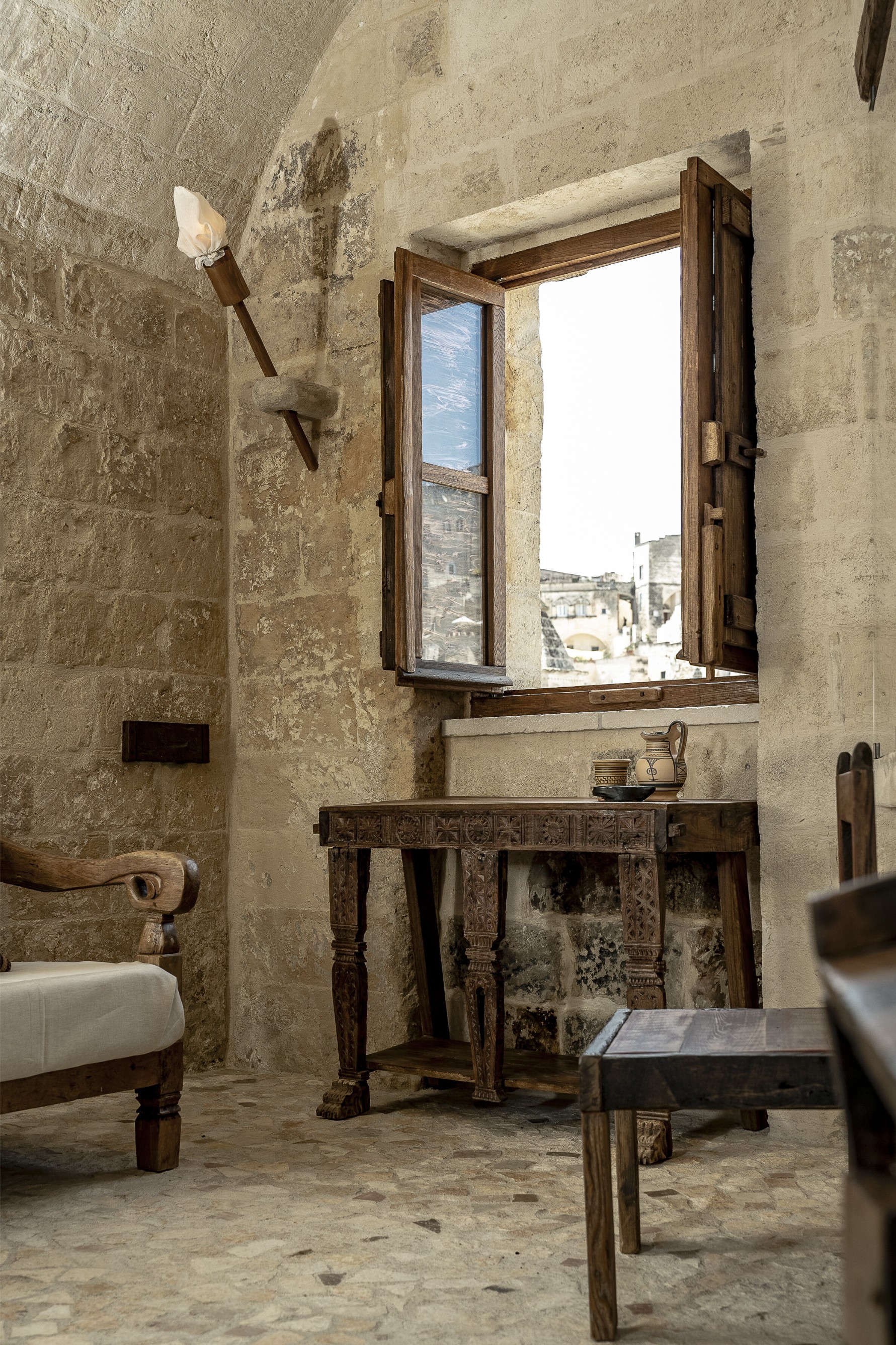
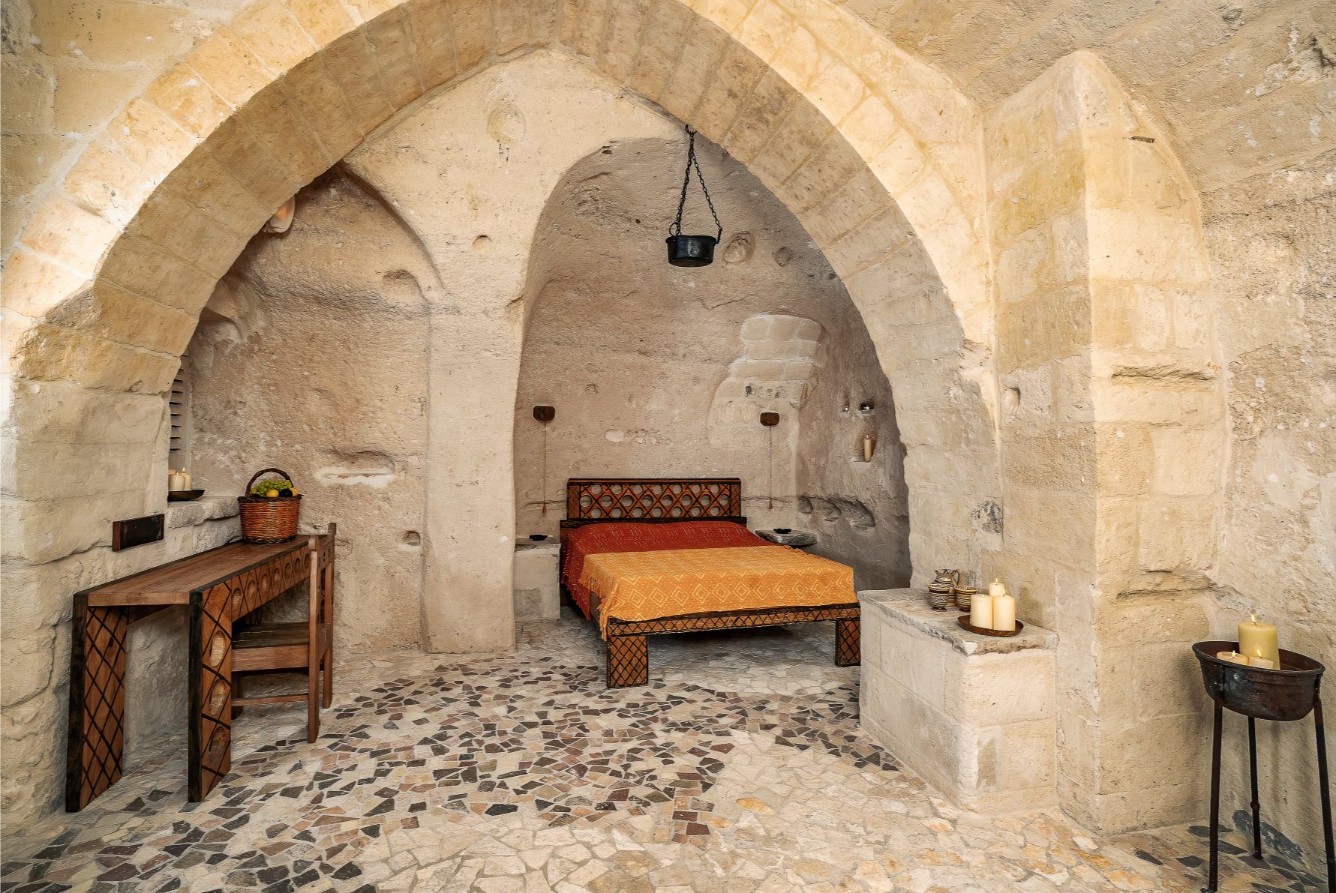
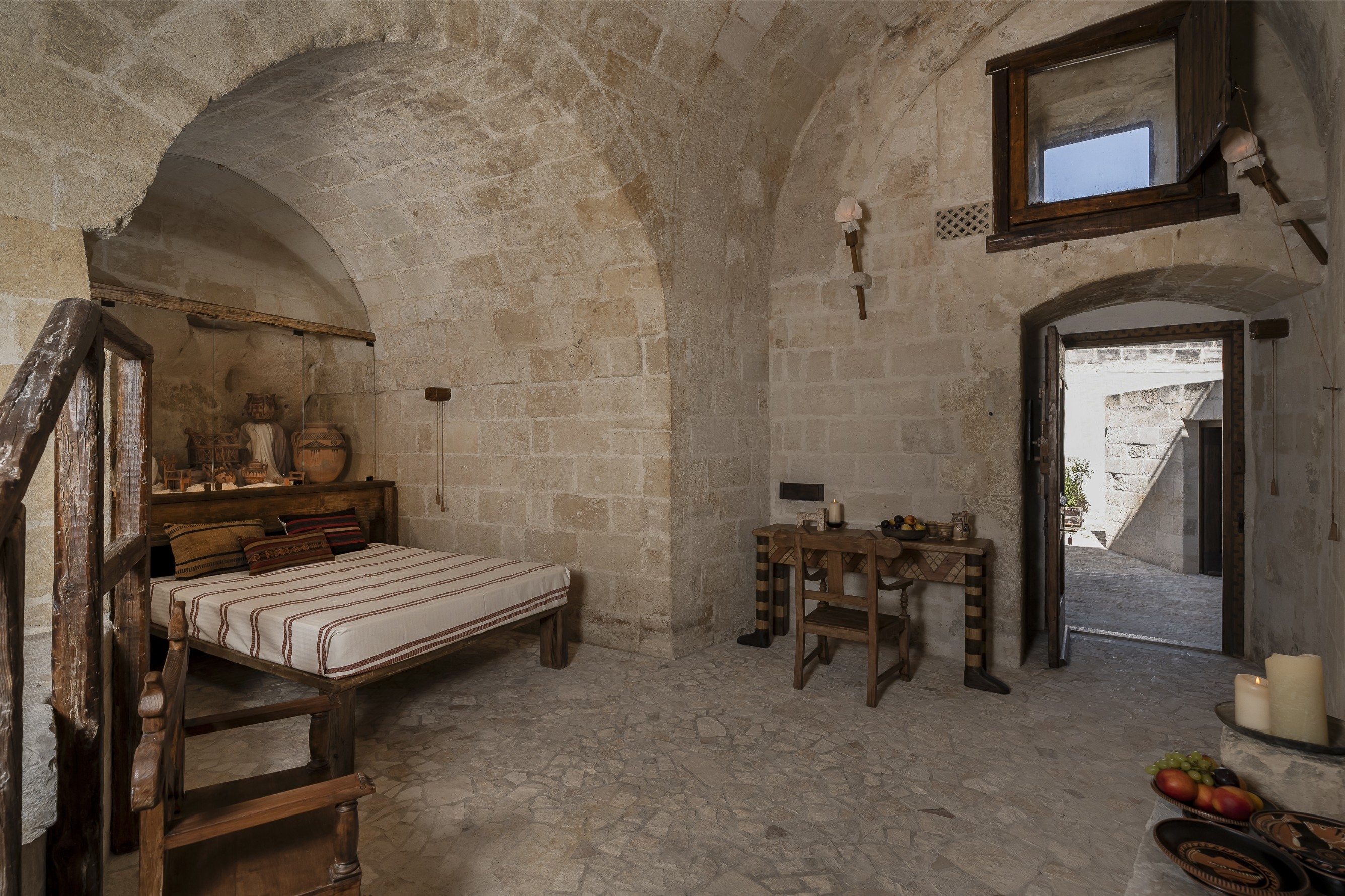
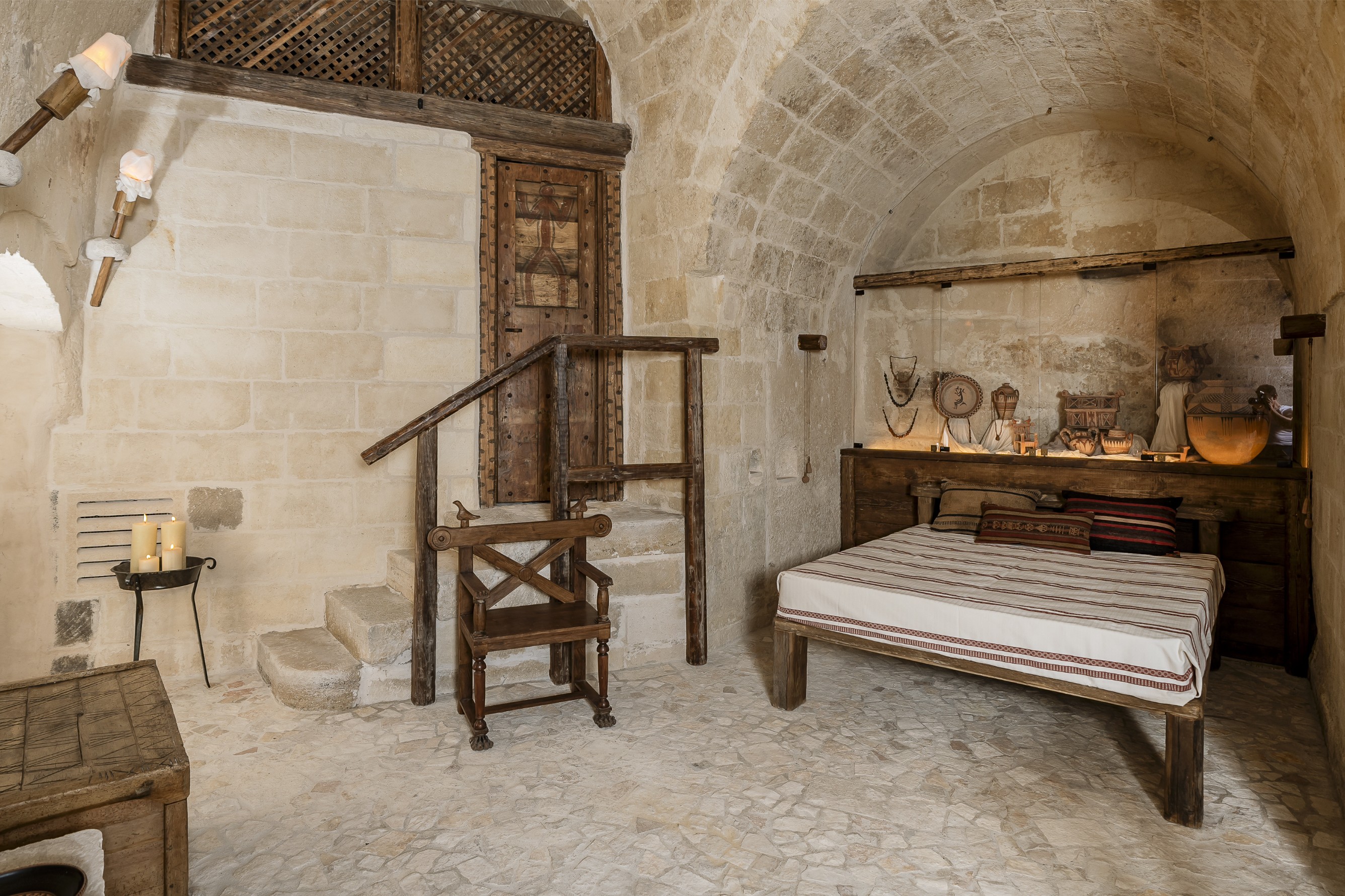
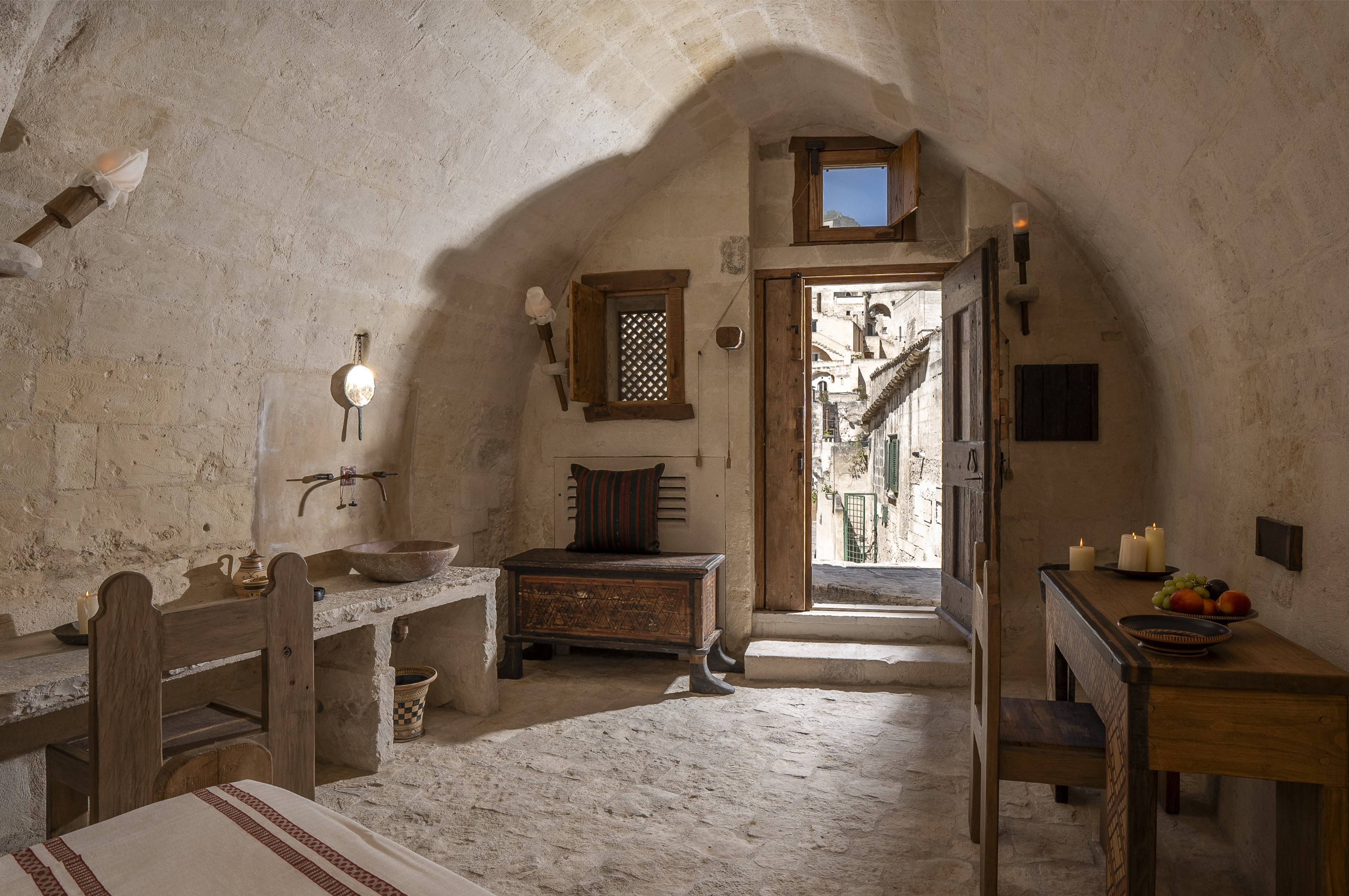
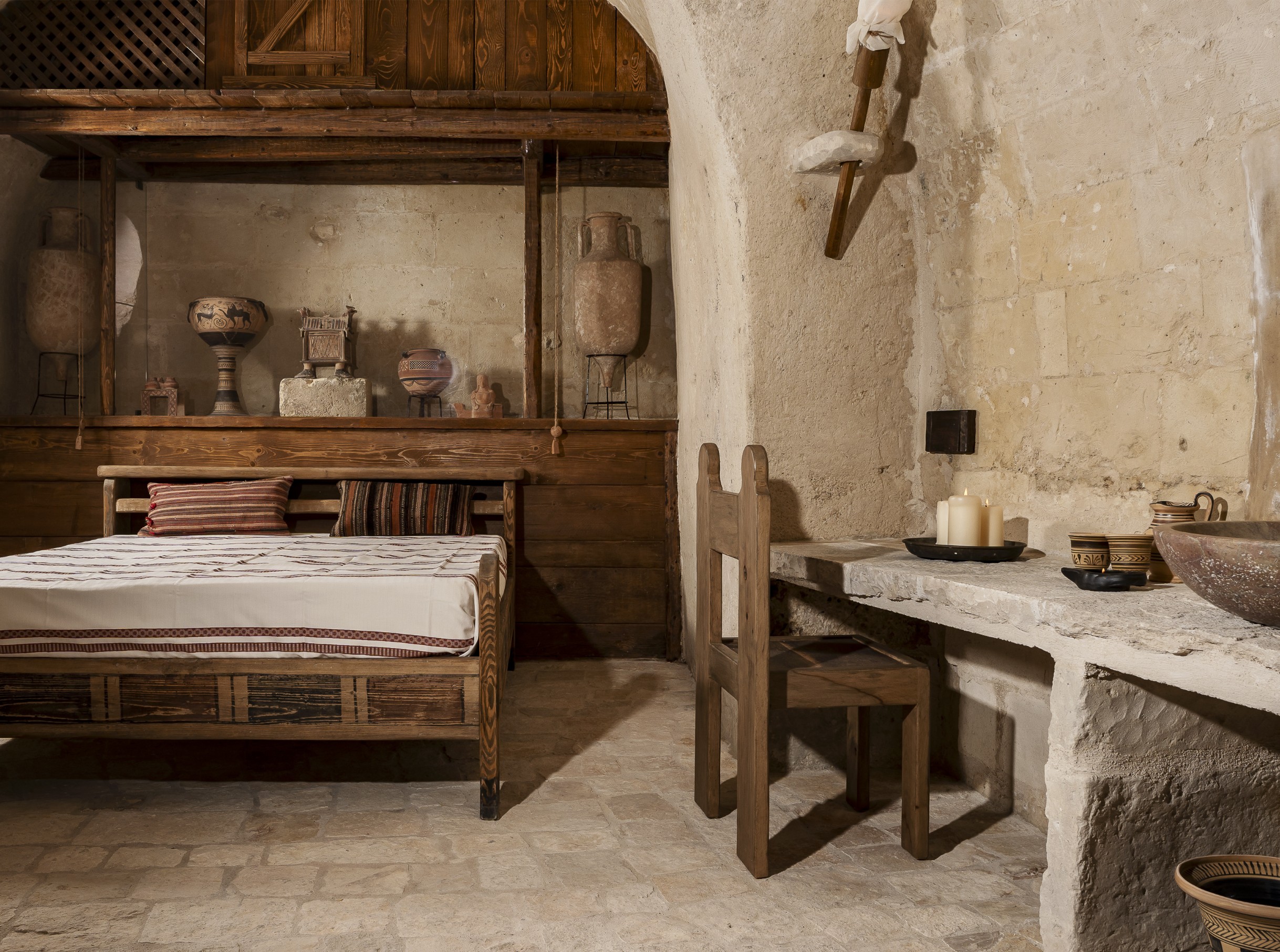
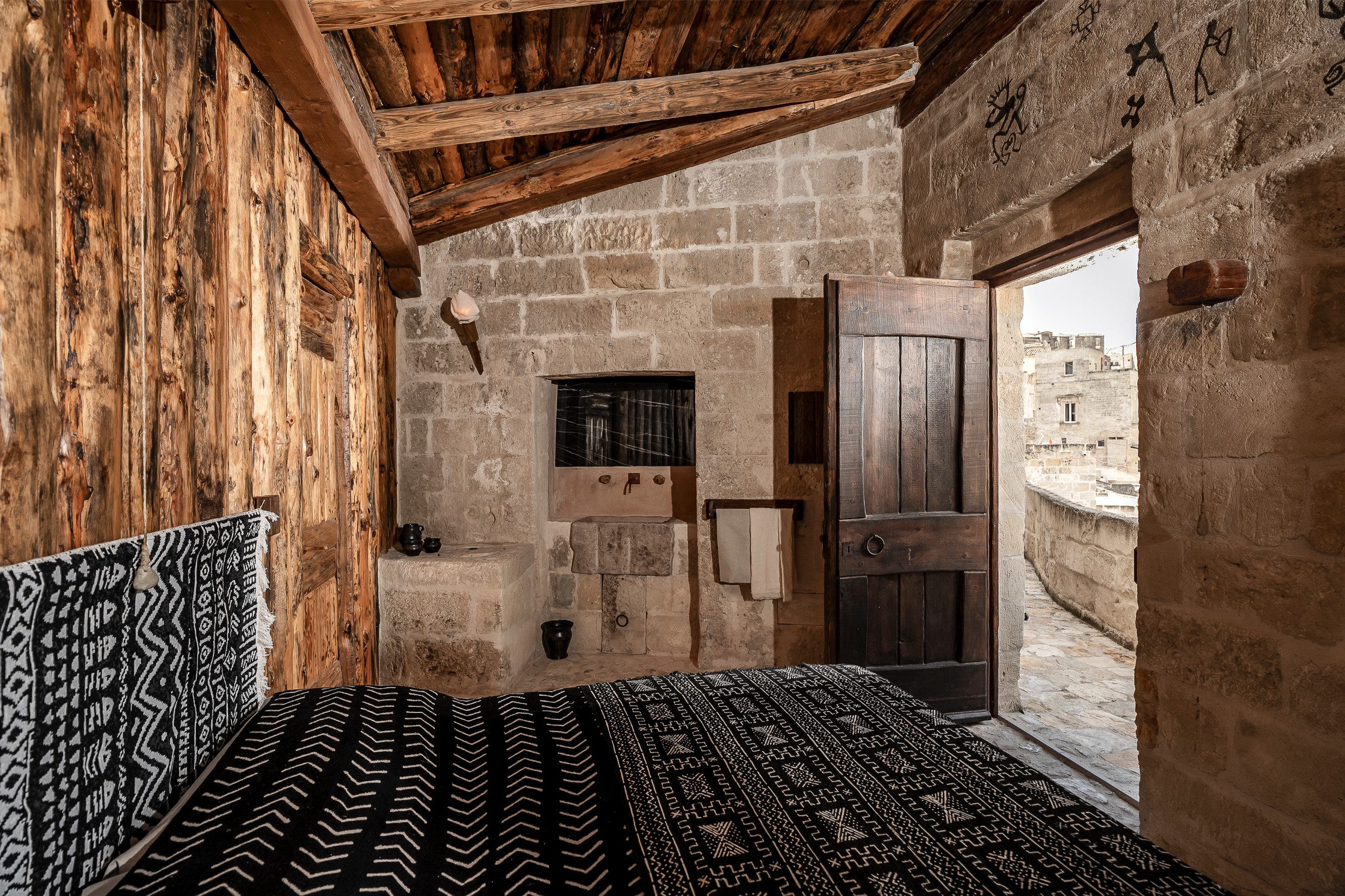
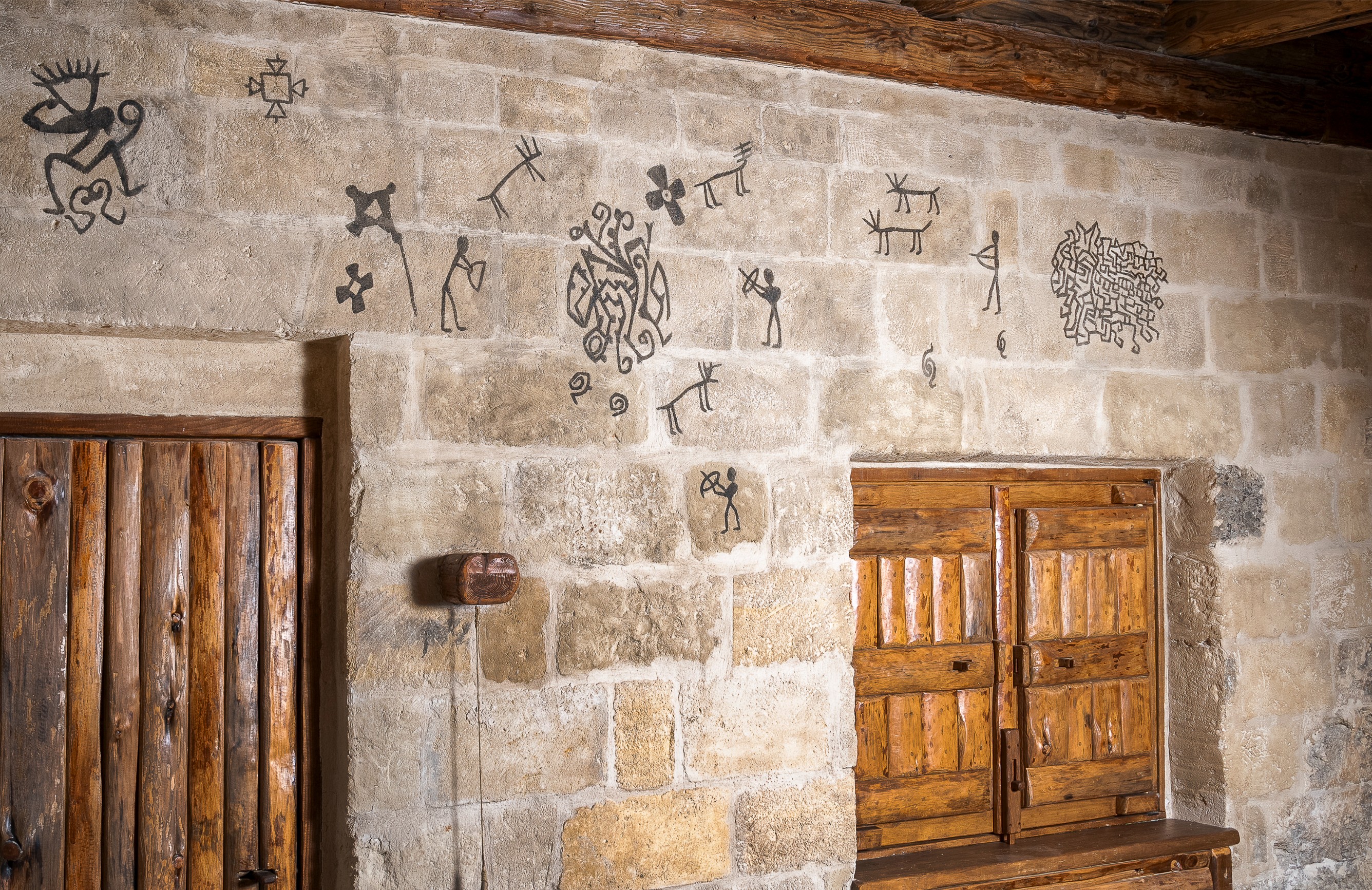
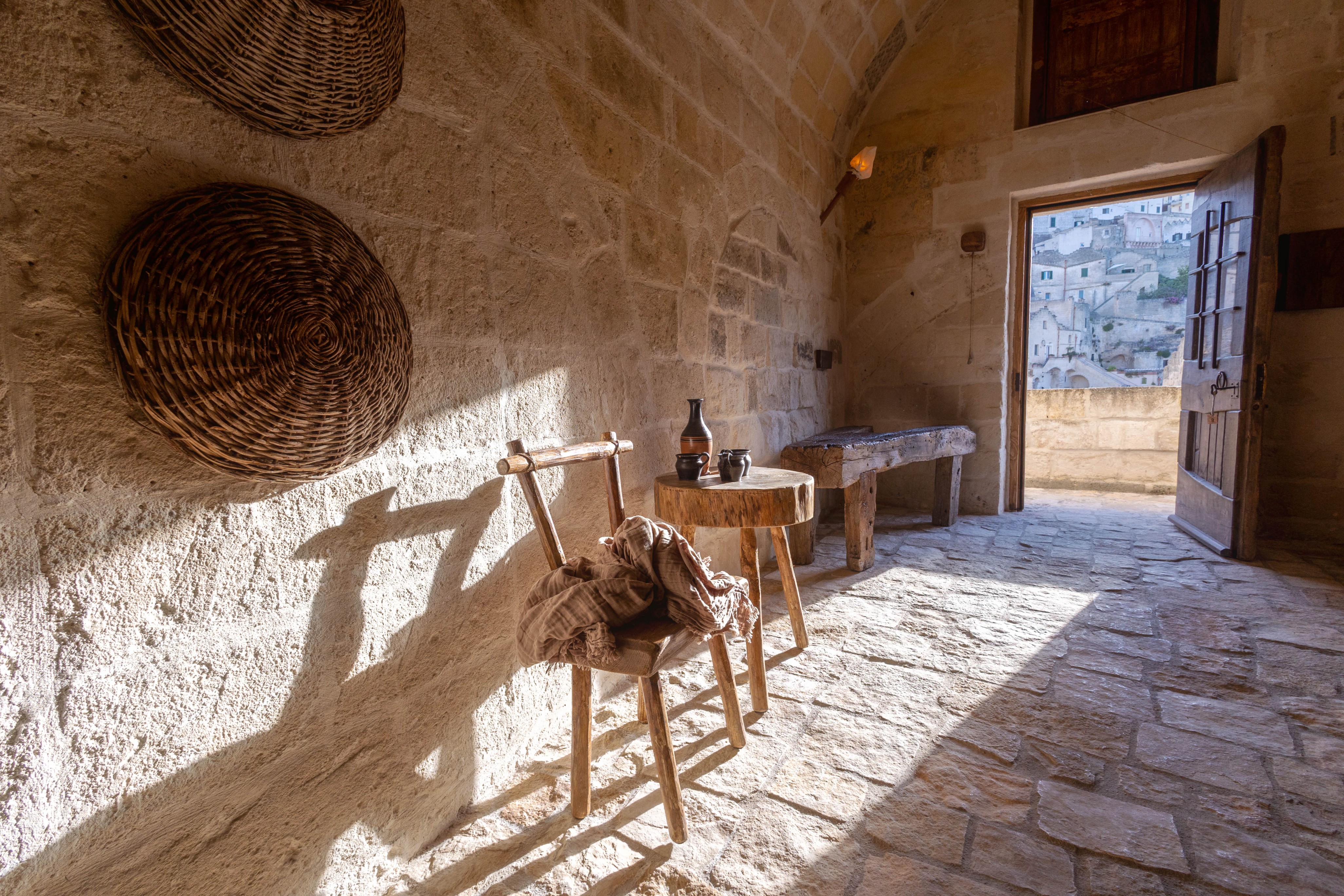
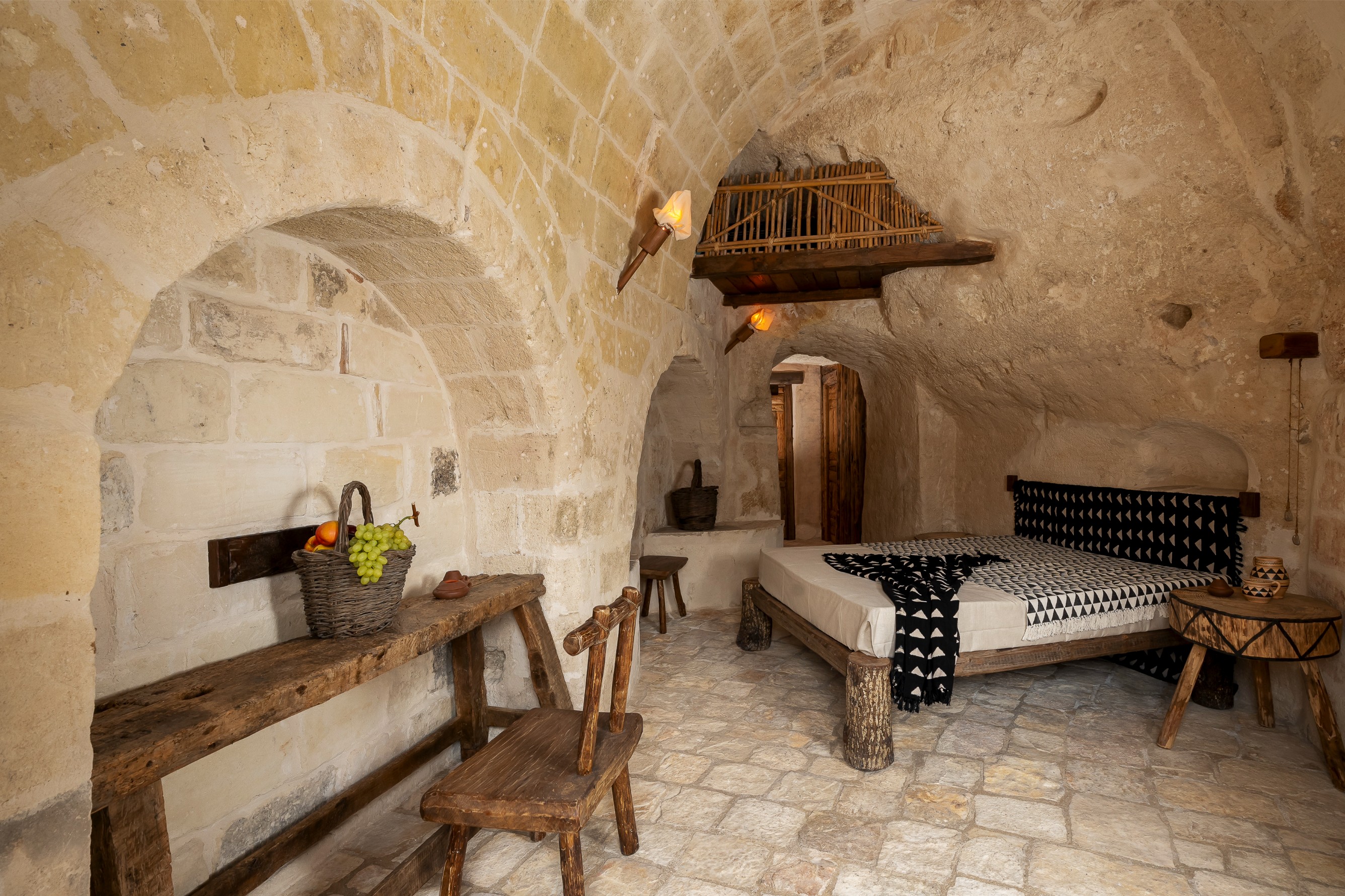
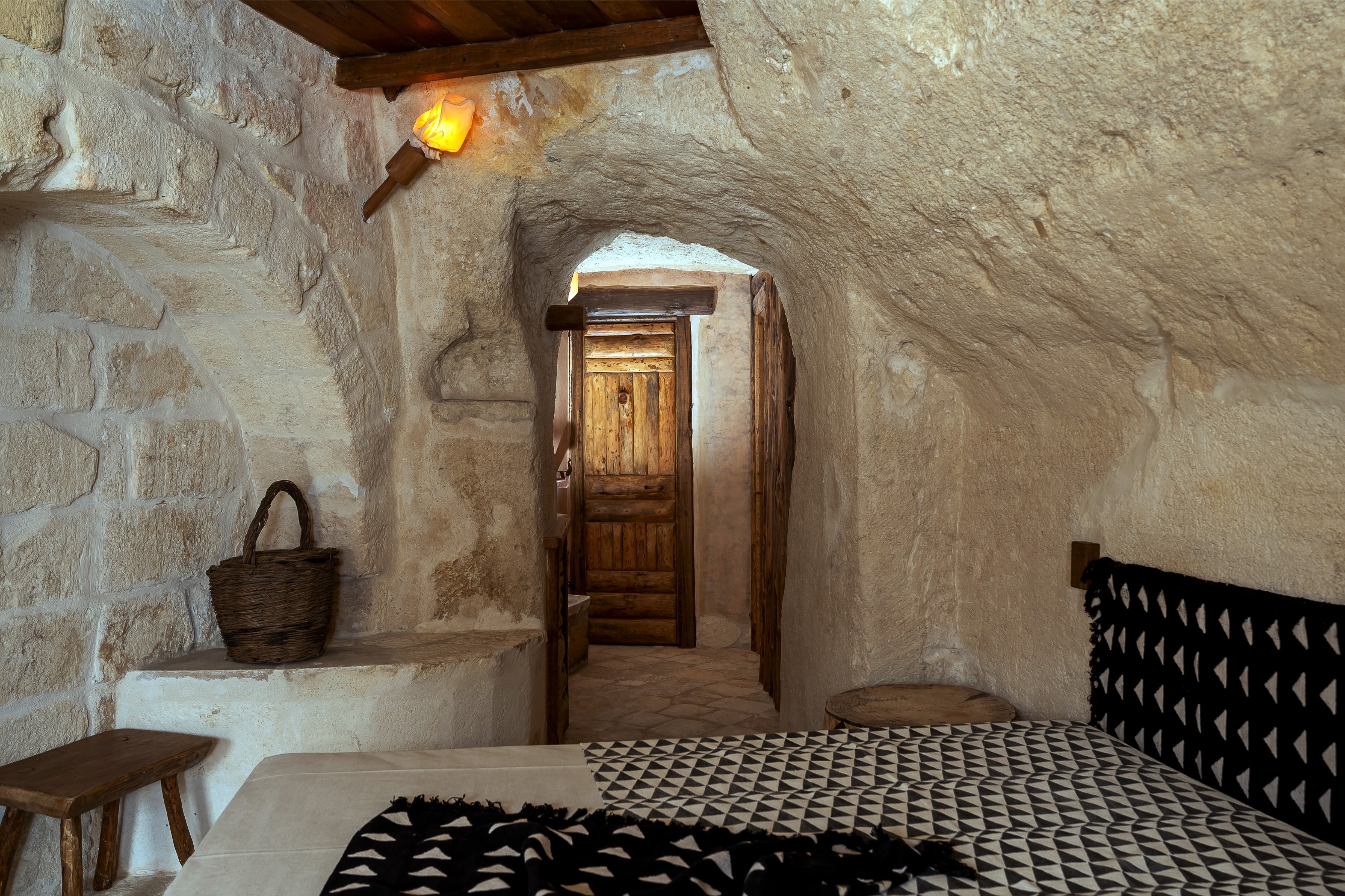
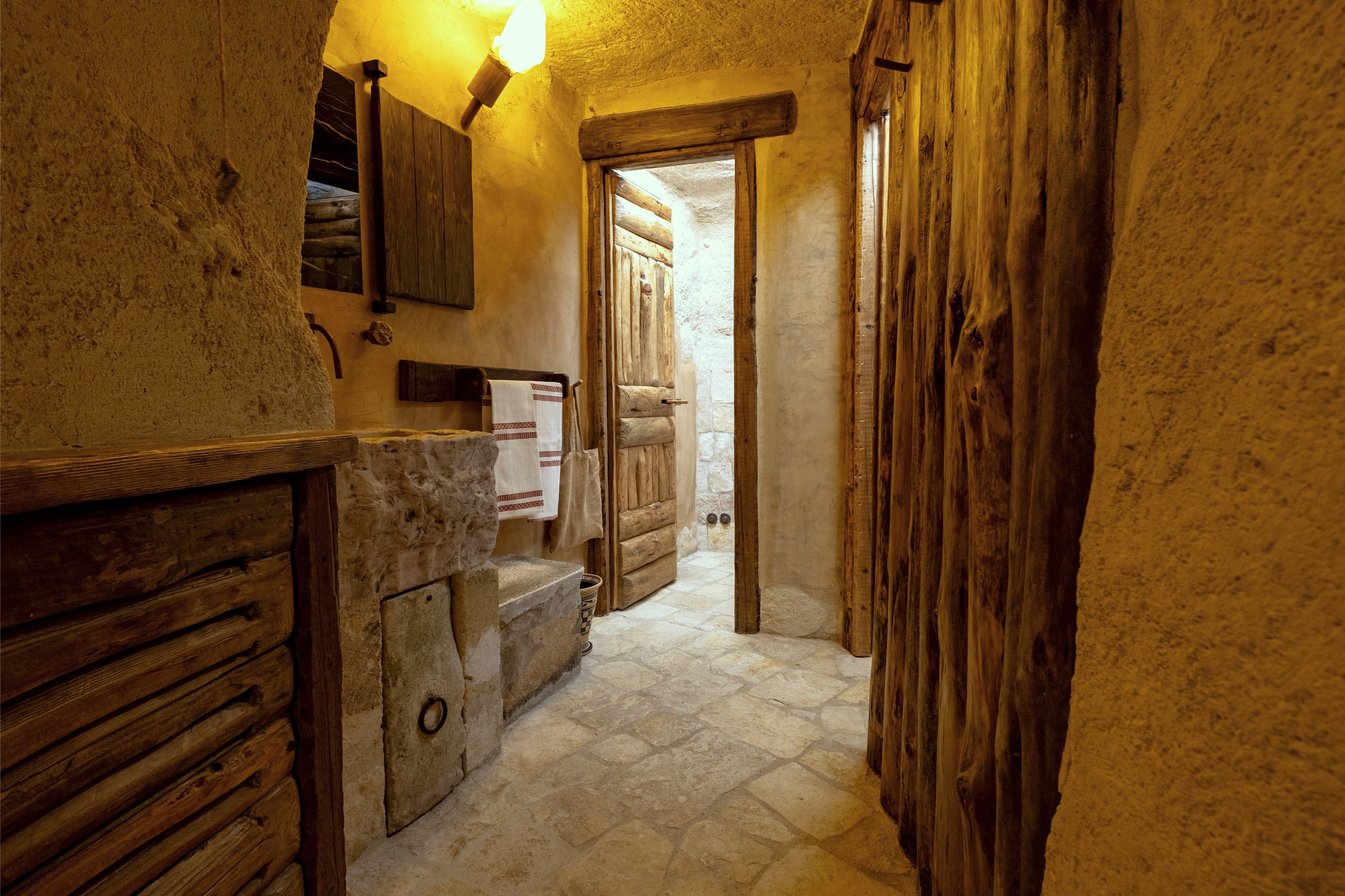
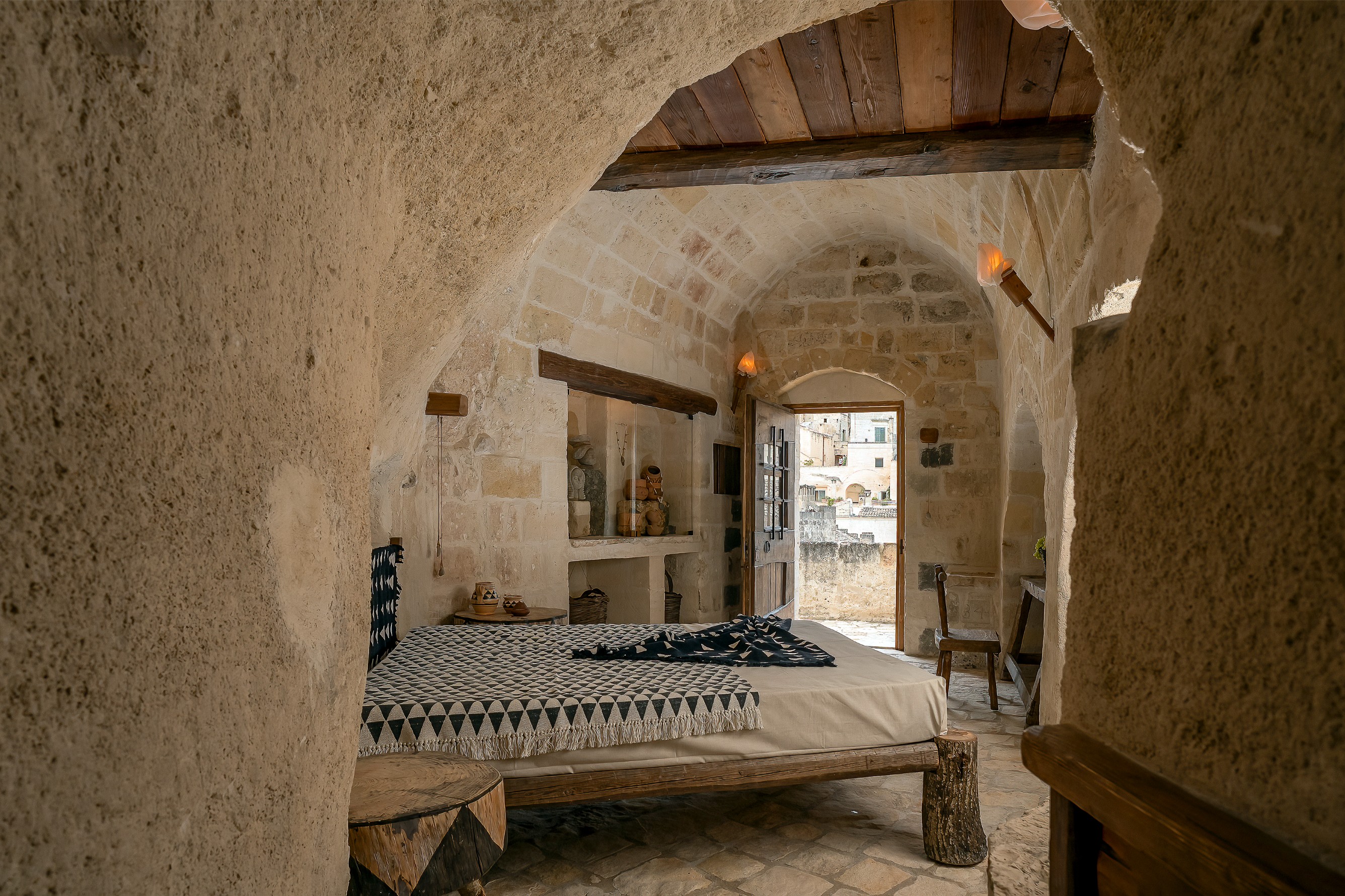
Sixteen cave dwellings carved into calcarenite (tuff). Each a philological reconstruction of an authentic domestic environment from one of the three historical eras that defined the cultural heritage of Matera and its surrounding region.
Sedici dimore rupestri scavate nella calcarenite (tufo). Ciascuna è frutto di un'attenta ricostruzione filologica di ambienti domestici appartenenti a una delle tre epoche storiche che hanno plasmato il patrimonio culturale di Matera e del suo territorio.
The Enotri were populations of Greek origin from the Peloponnese, who arrived in Italy at the dawn of the Iron Age (11th century BCE) via the Strait of Otranto.
The Enotri were populations of Greek origin from the Peloponnese, who arrived in Italy at the dawn of the Iron Age (11th century BCE) via the Strait of Otranto.
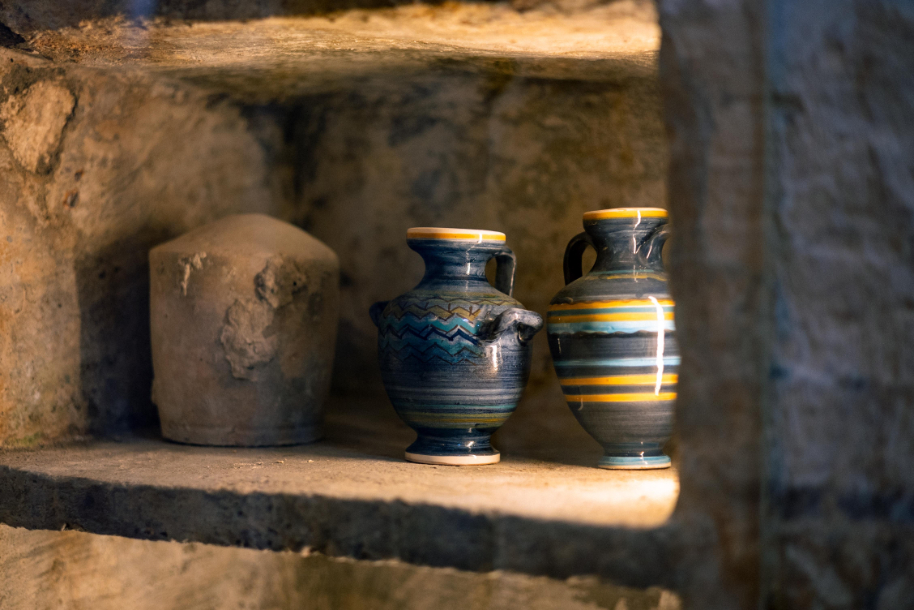
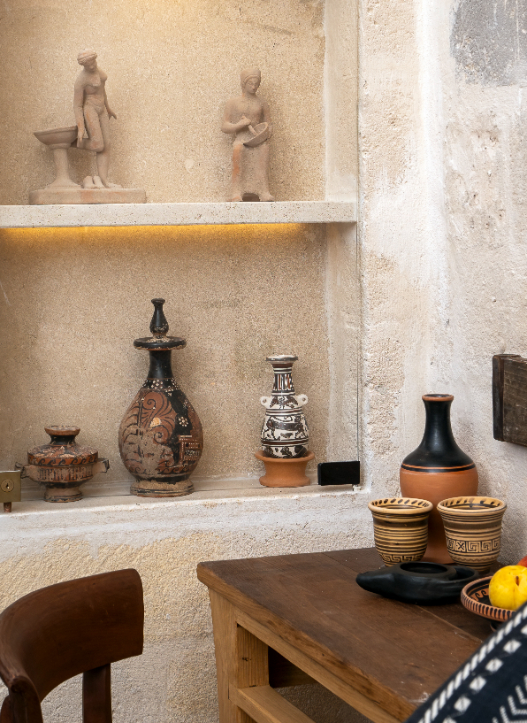
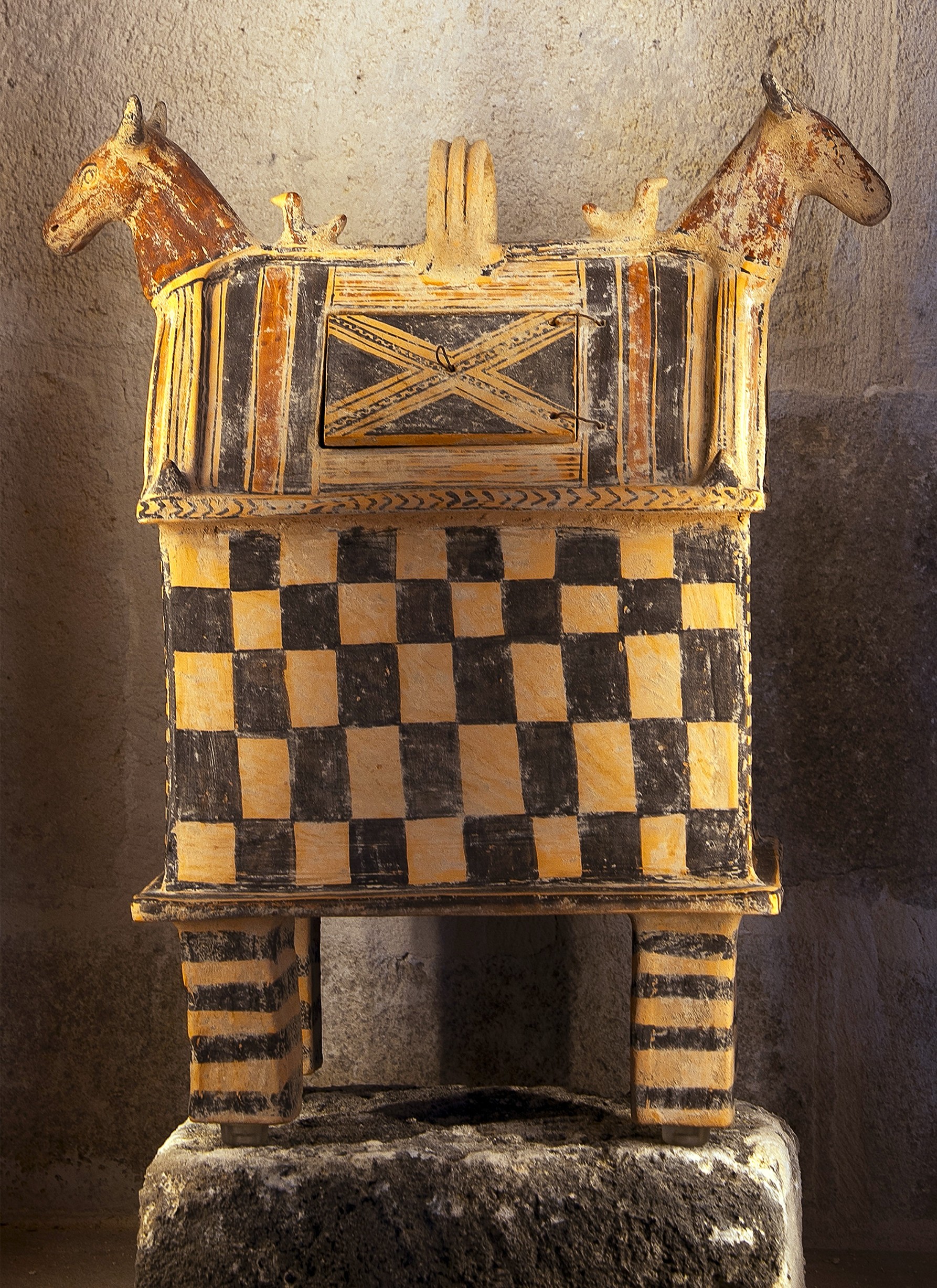
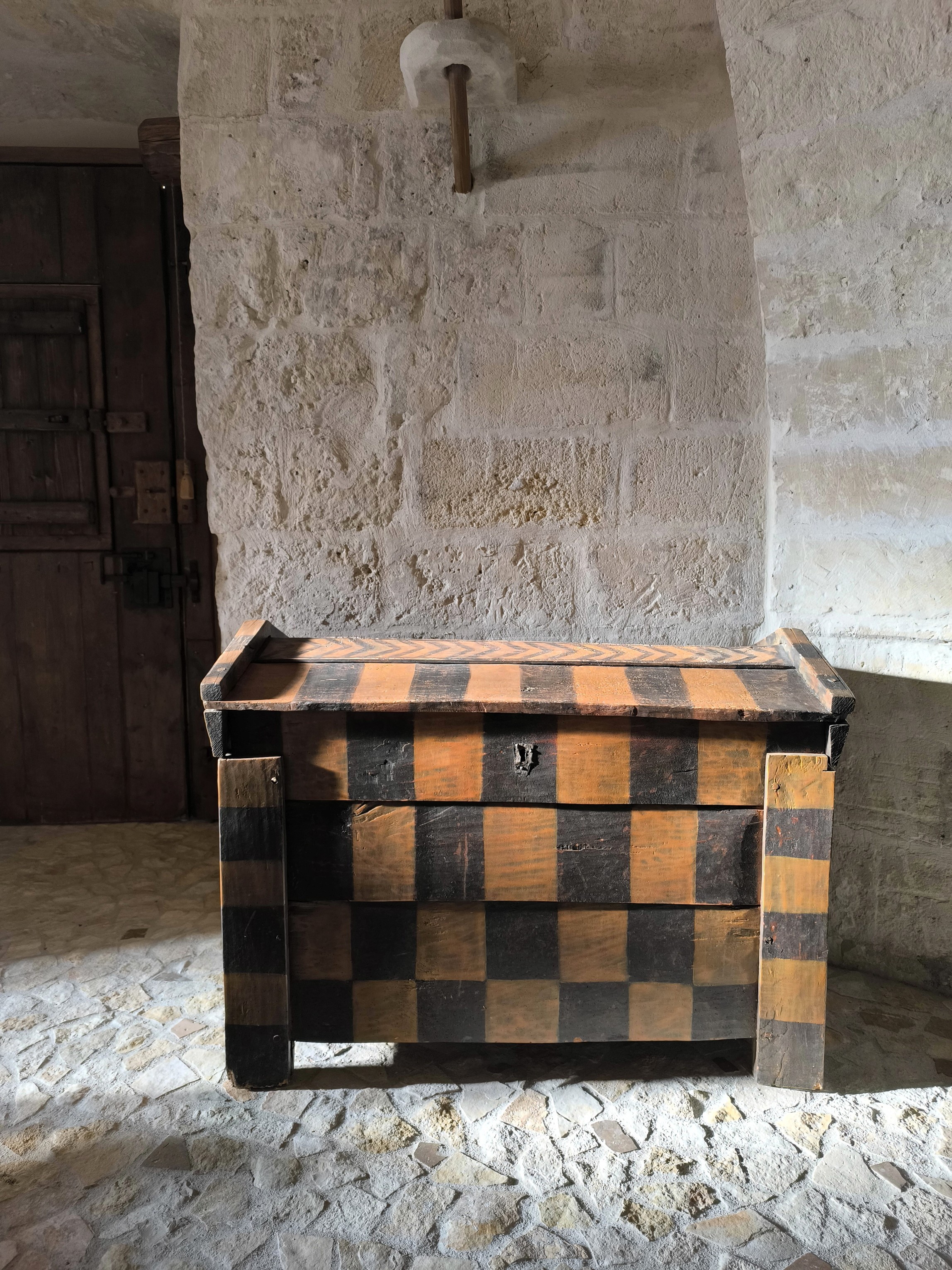
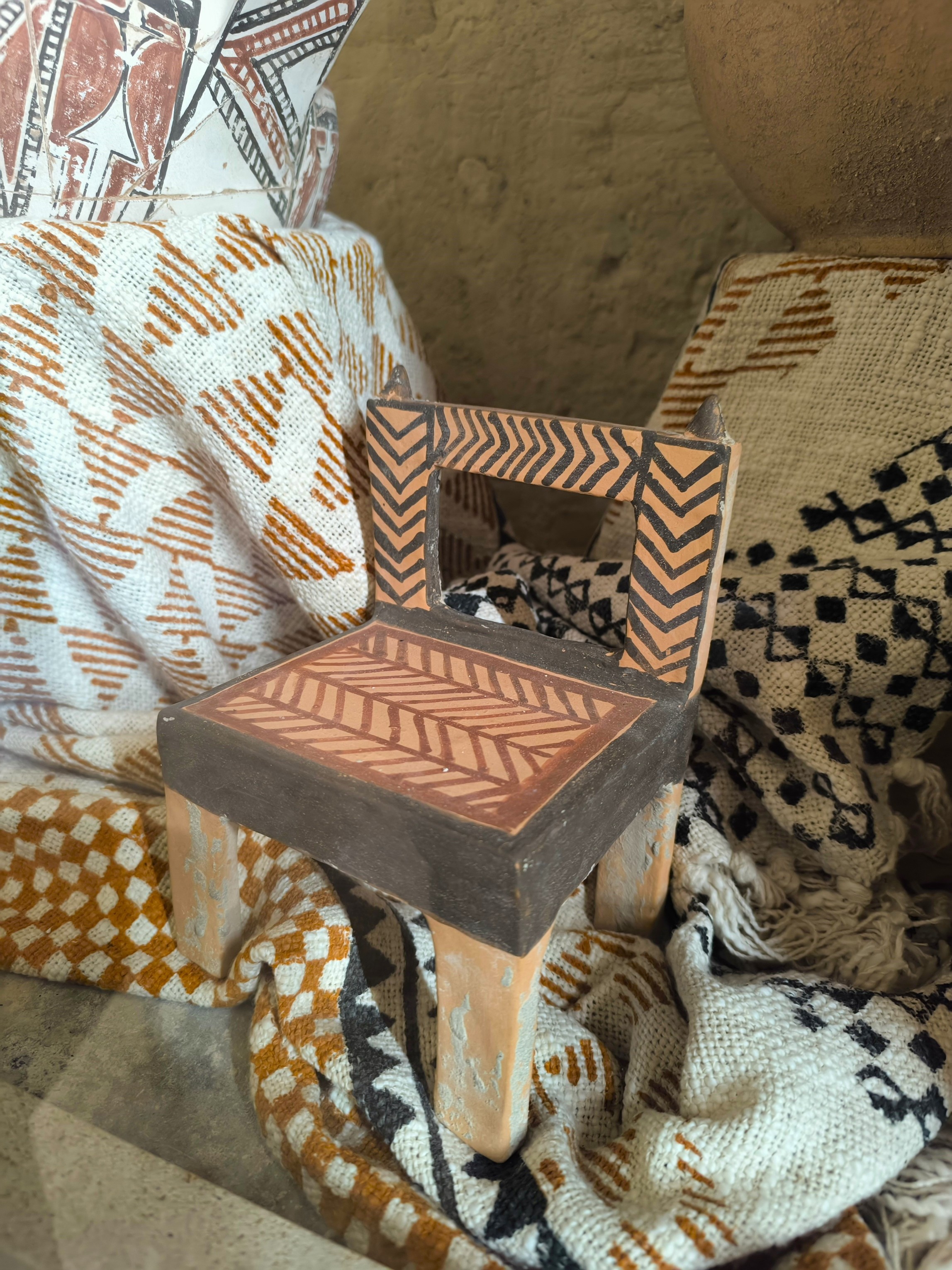
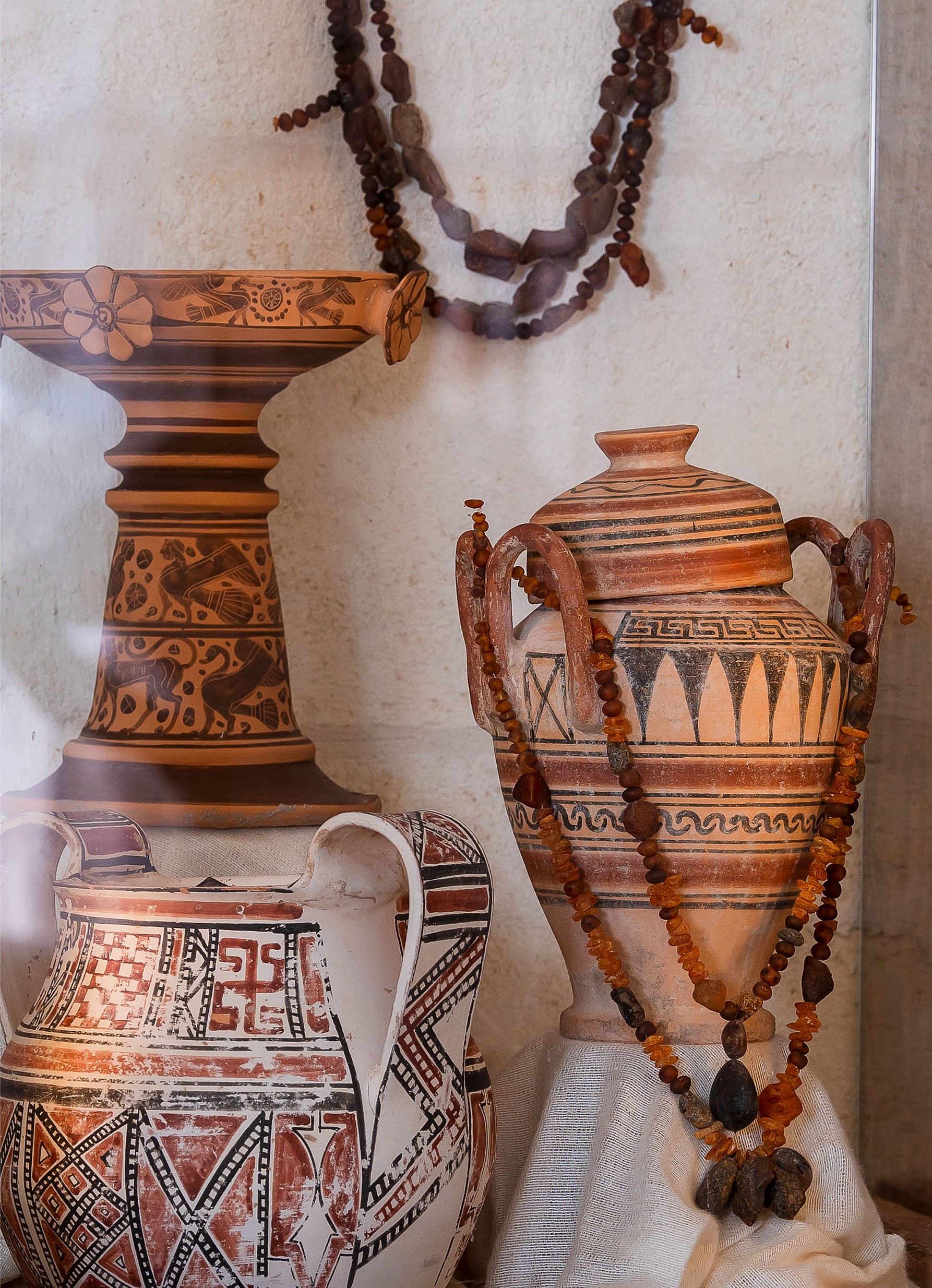
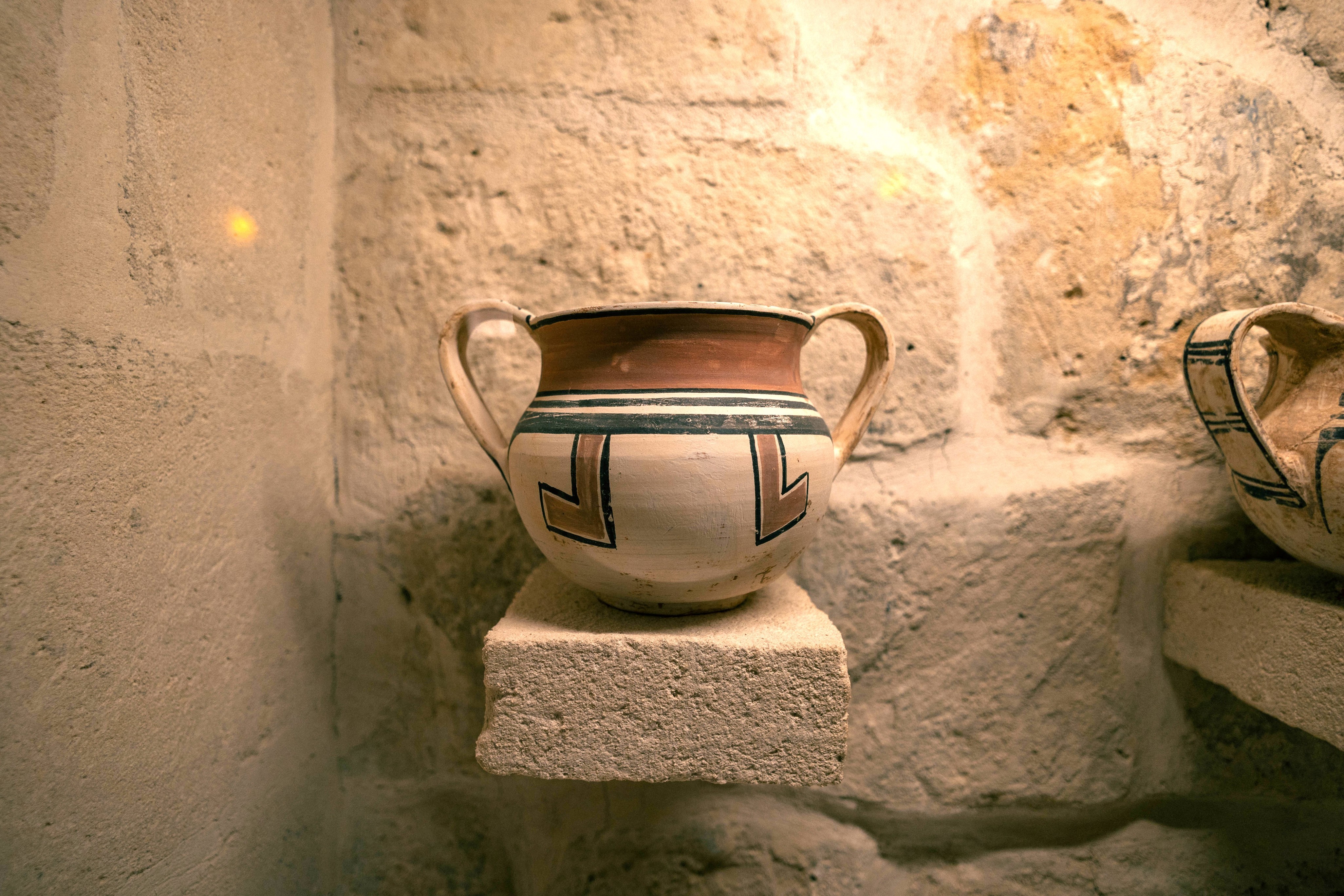
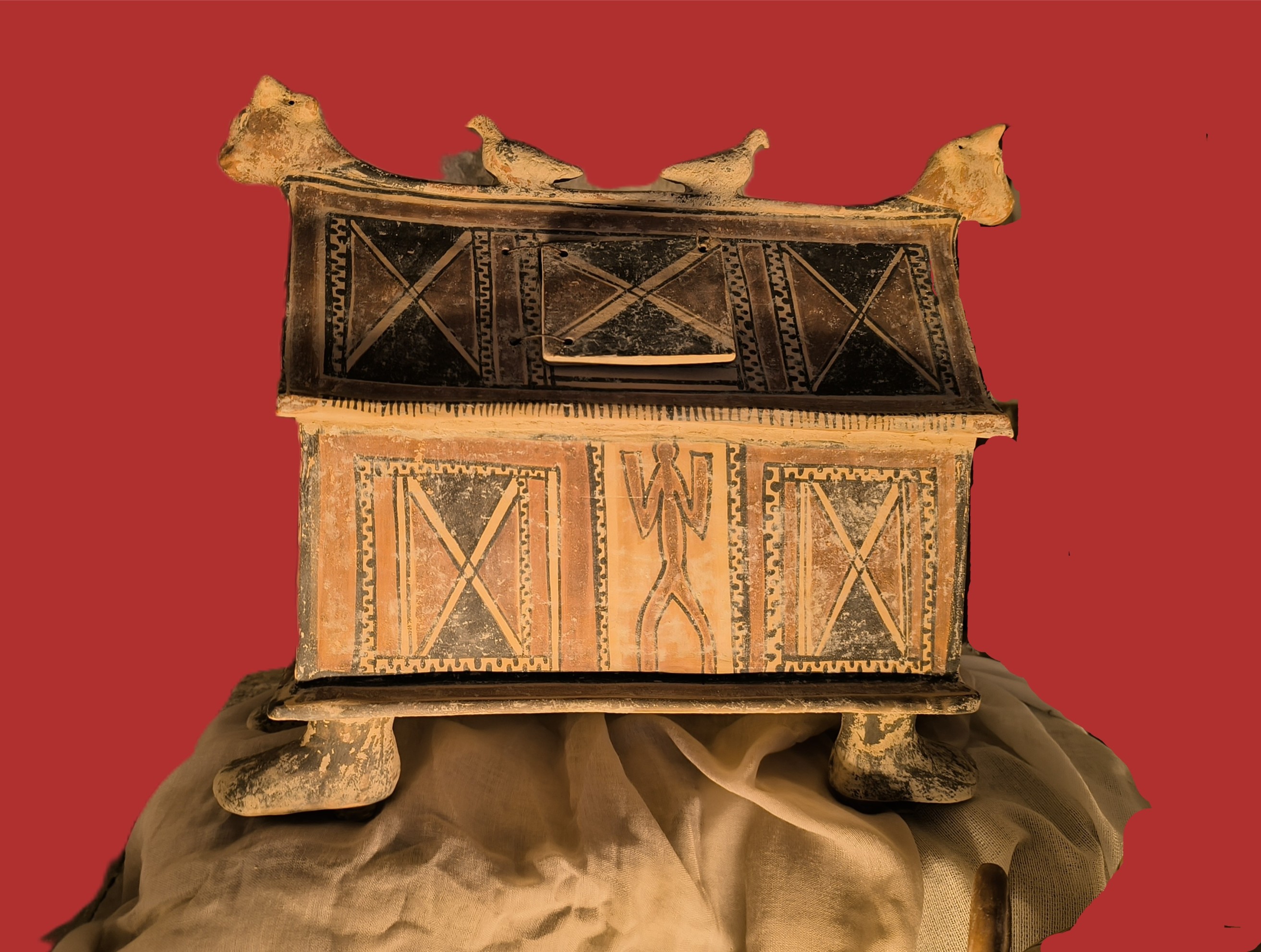
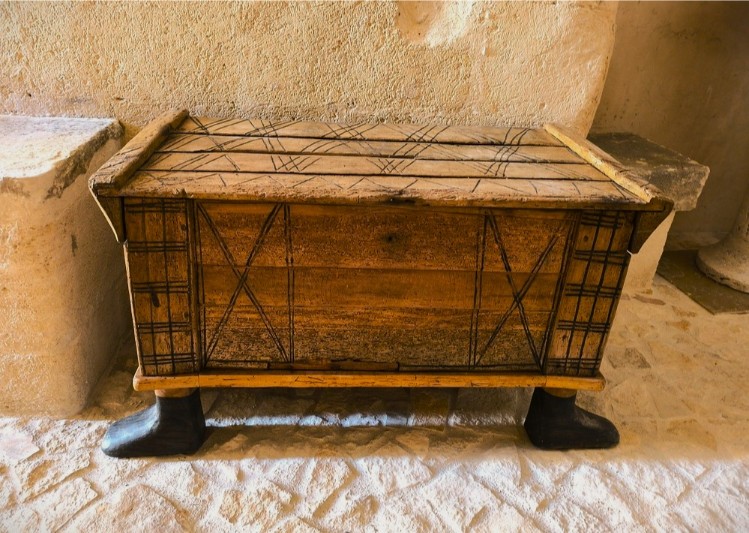
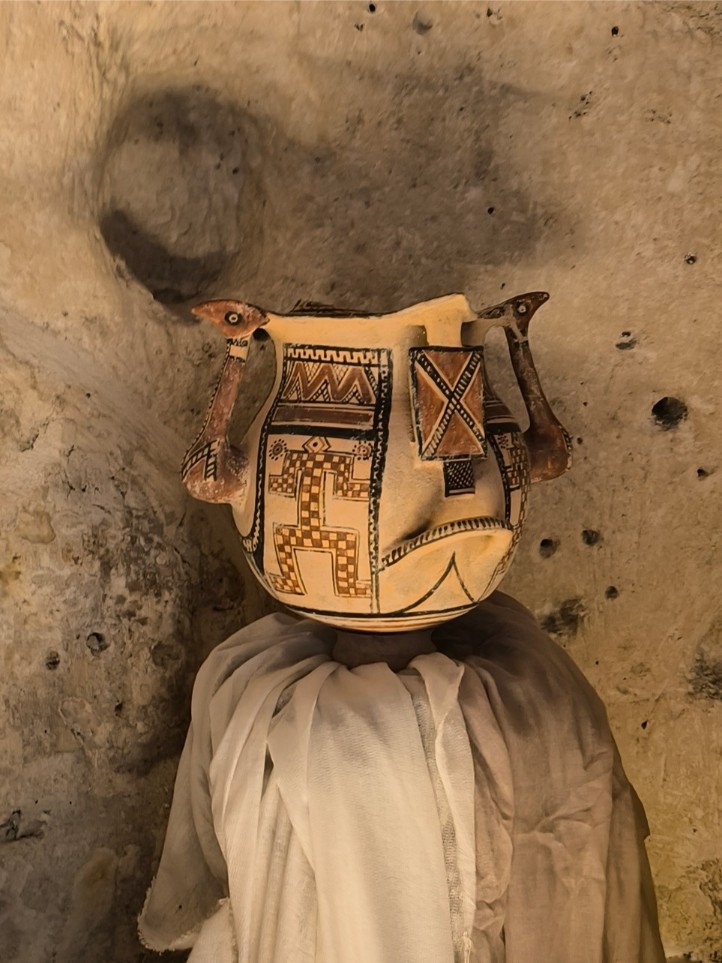
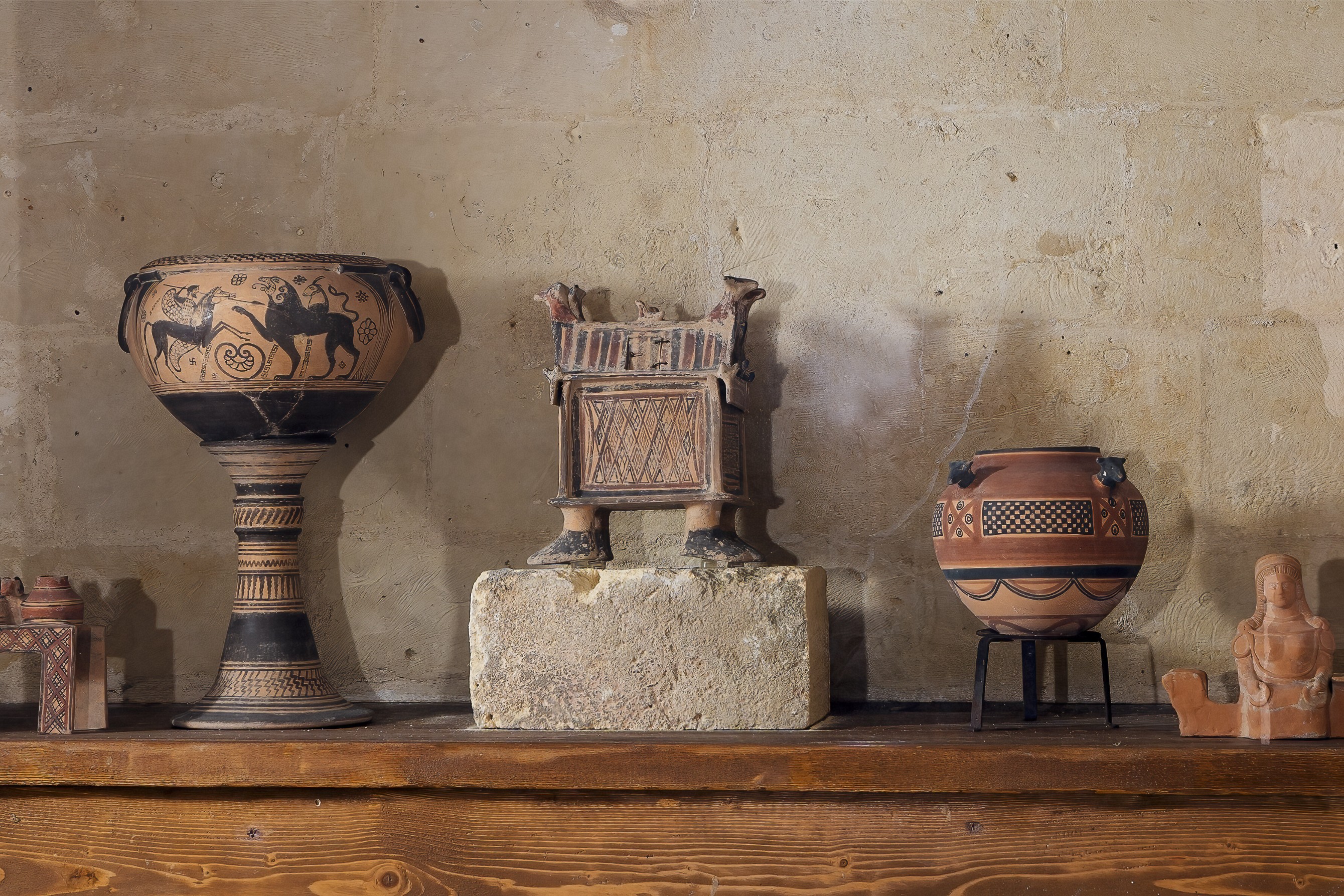
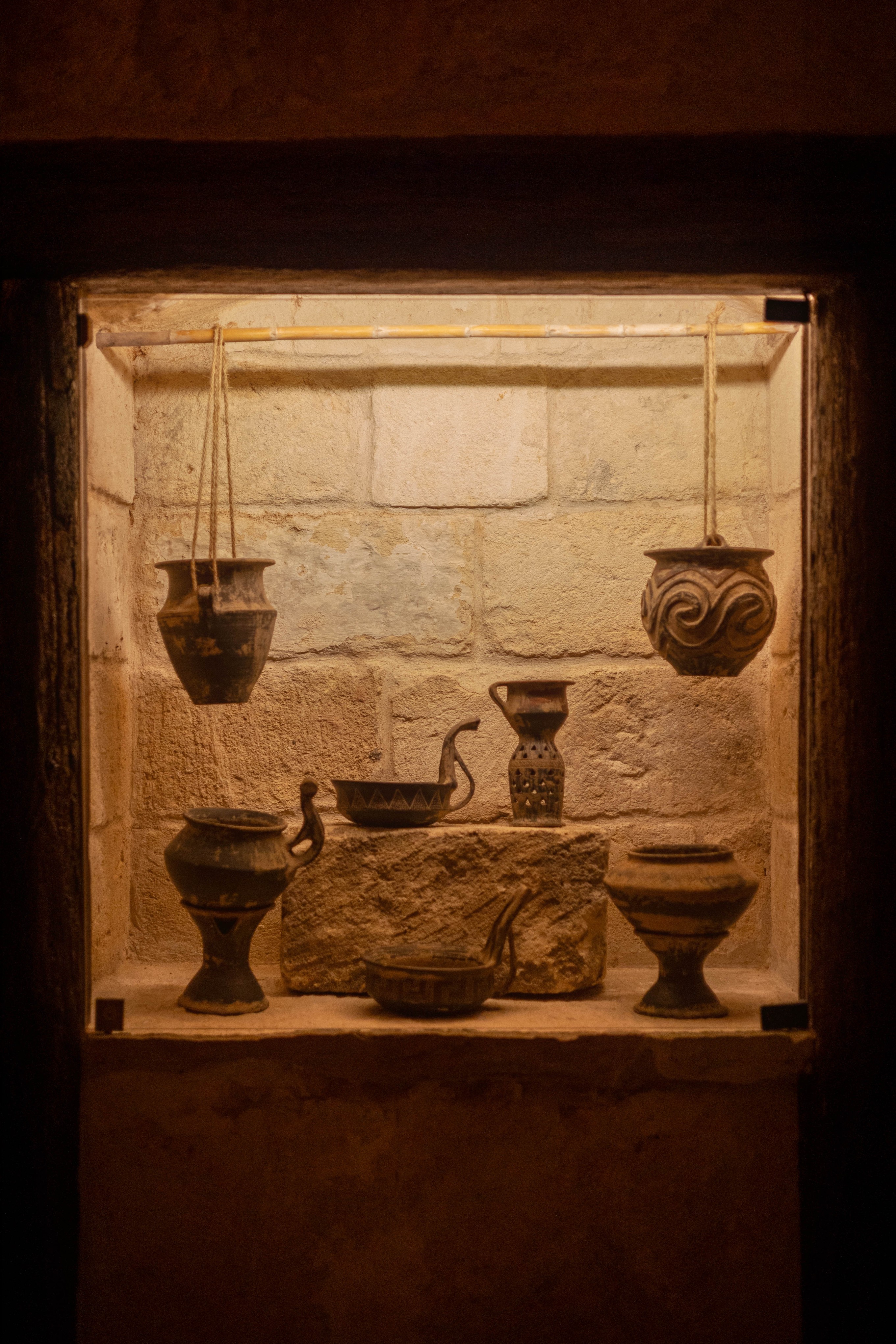
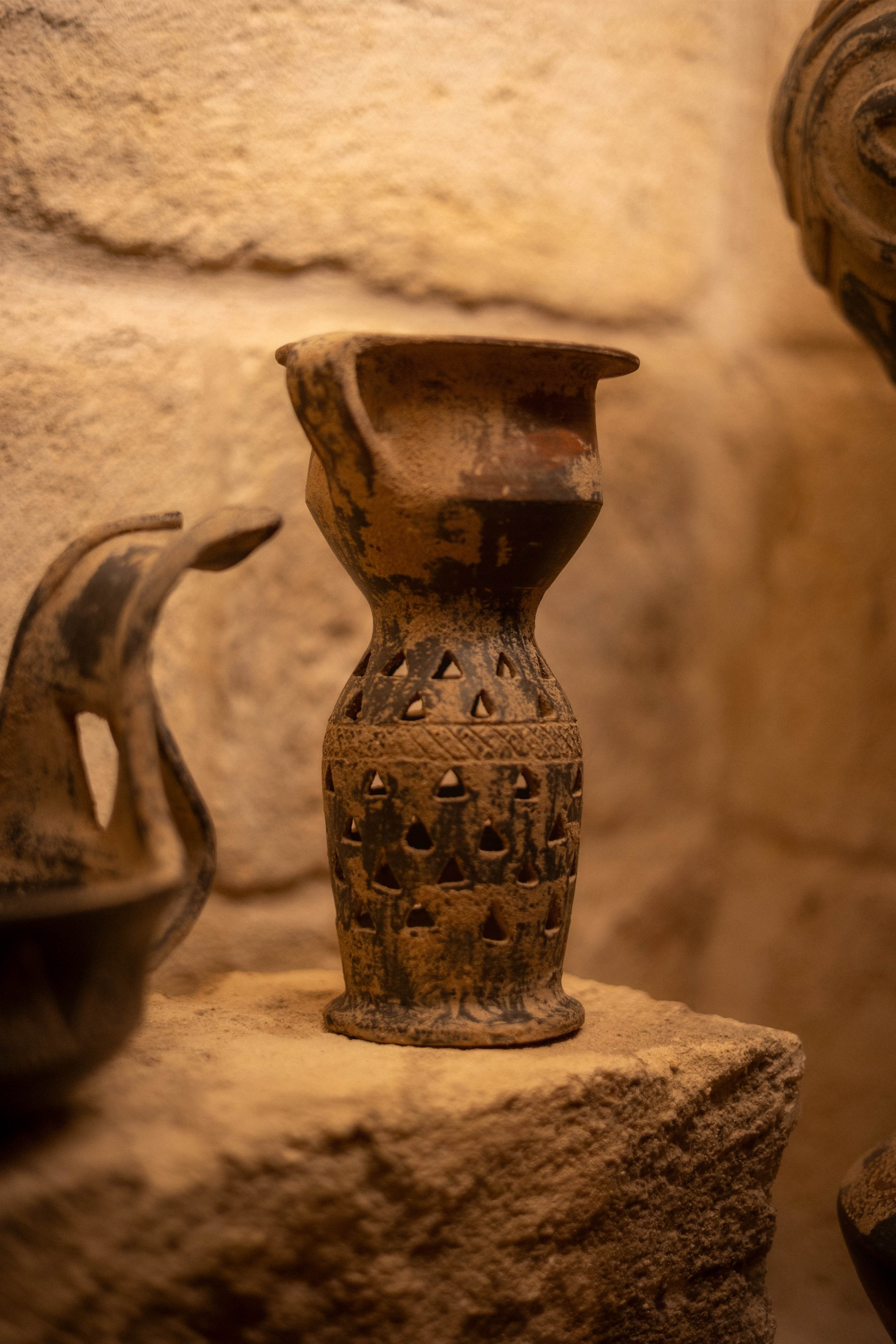
In addition to the more typical agricultural and pastoral activities, which formed the economic base of the time, the Enotri also produced pottery decorated with geometric motifs.
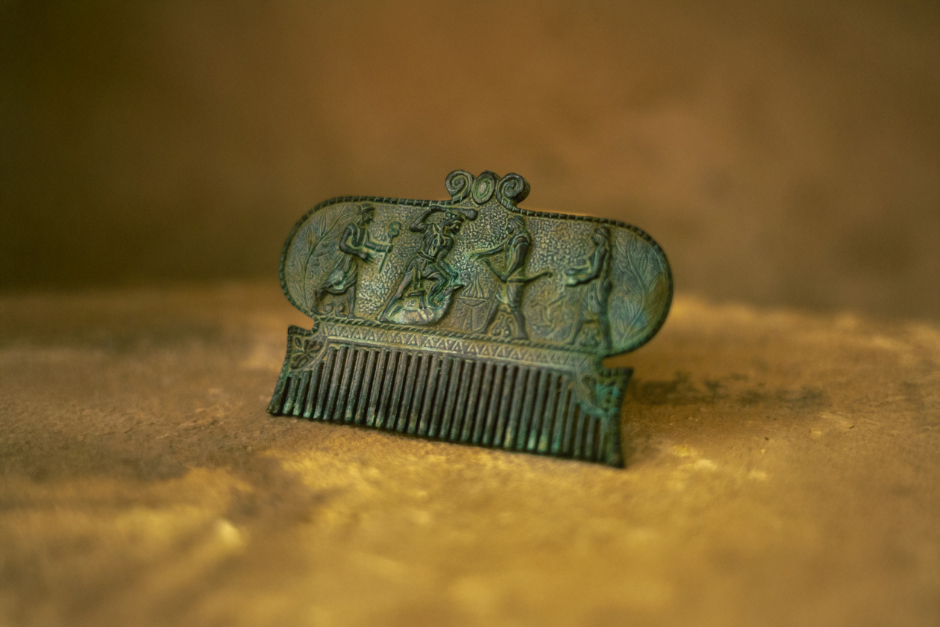
Metalworking also developed significantly, with the production of ornamental bronzes, fibulae, pendants, armlets, and decorative disks, attesting to the level of wealth attained by individuals within the community.
The rich funerary items, displayed in various archaeological museums of Basilicata, demonstrate the extraordinary skill achieved by the craftsmen.
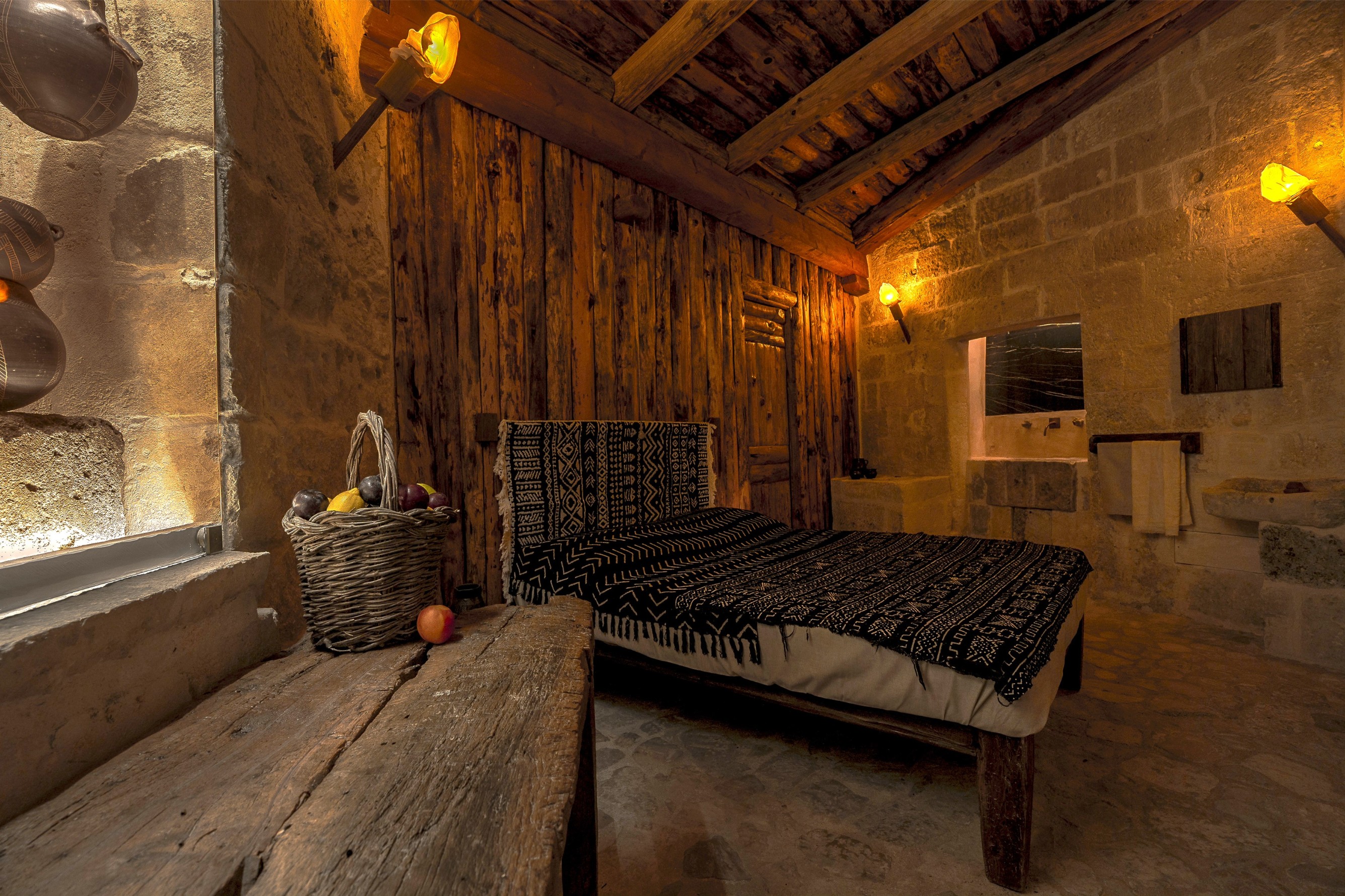
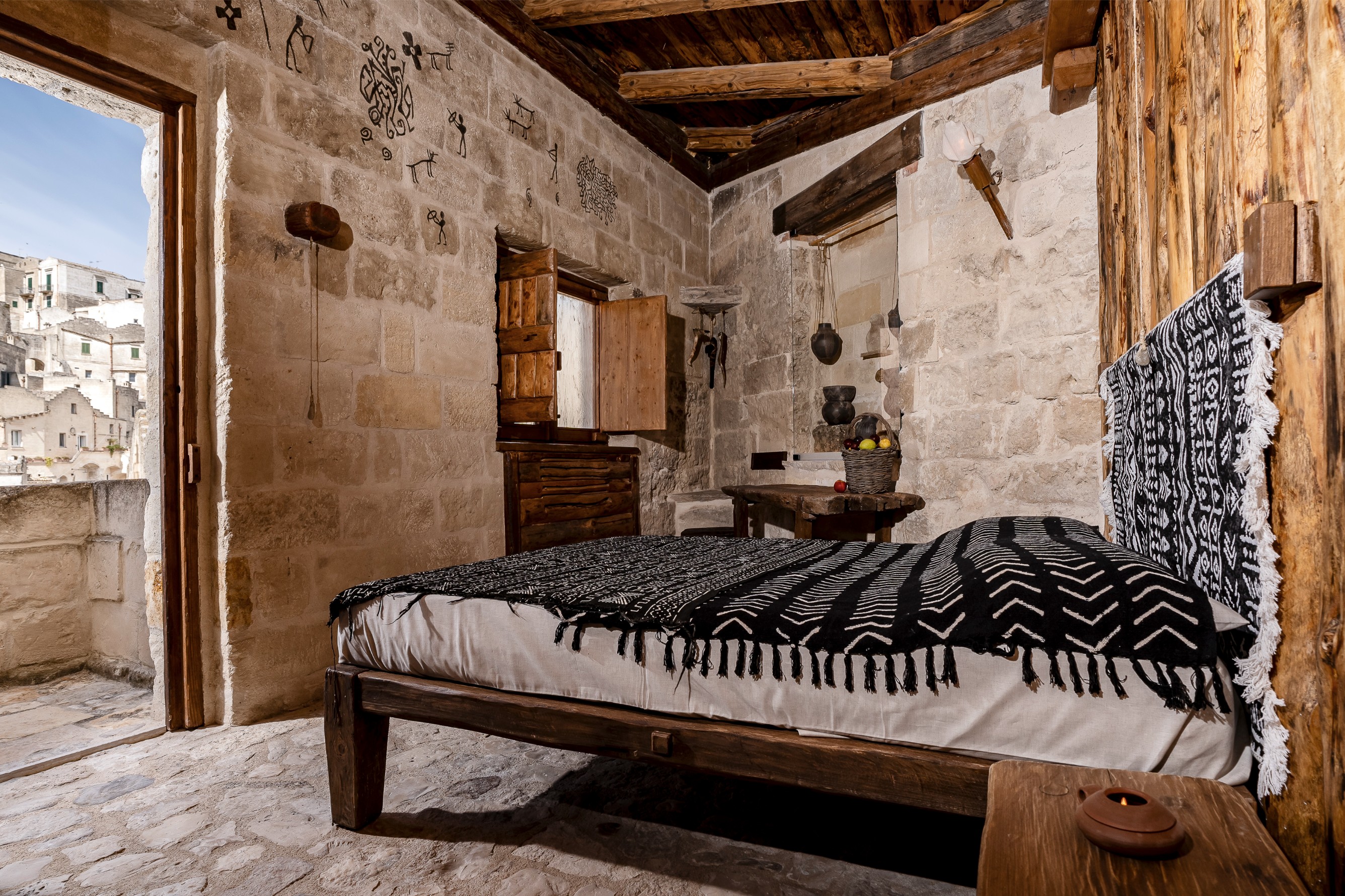
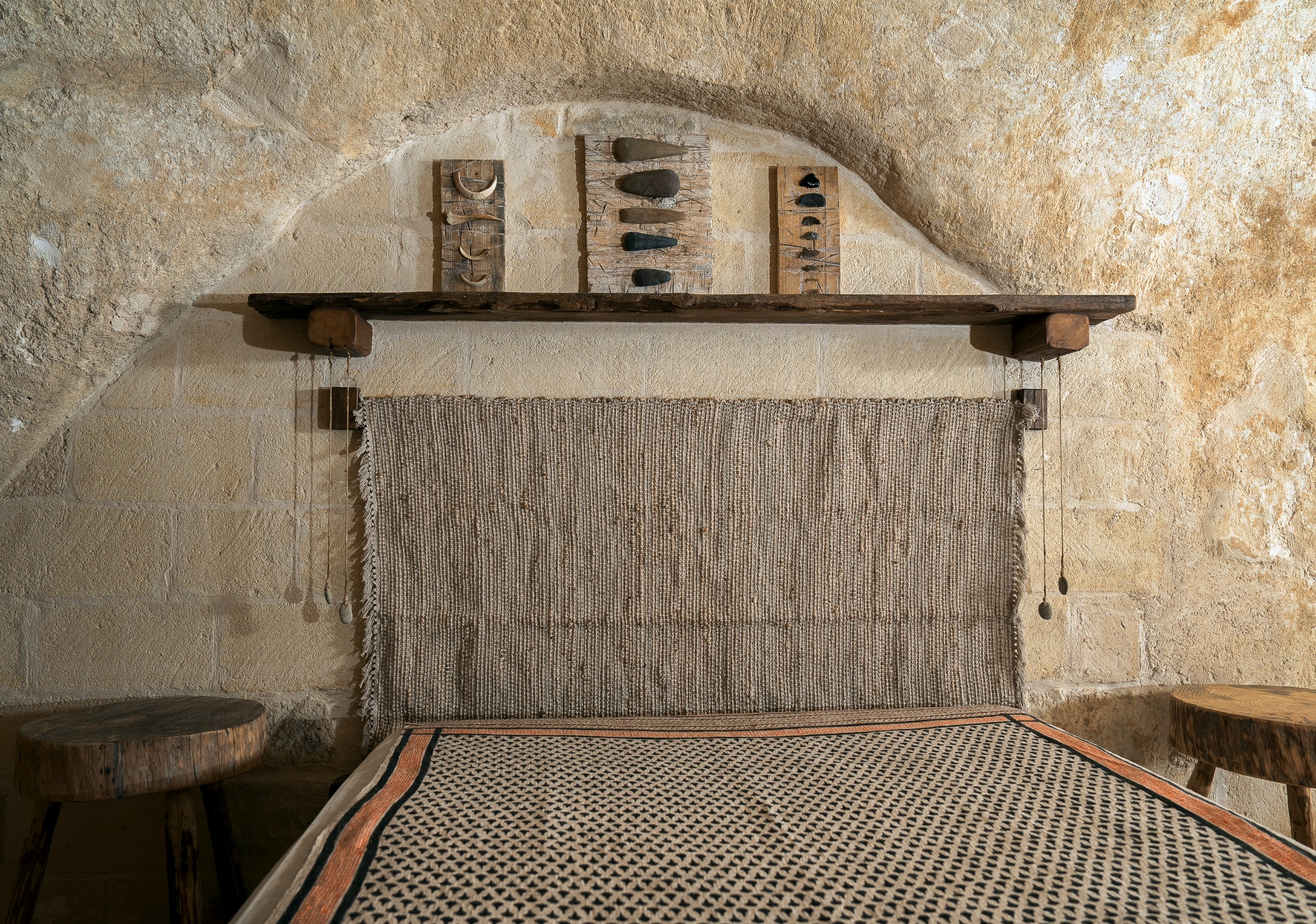
Reconstruction of a Late Neolithic dwelling (6th millennium BC).
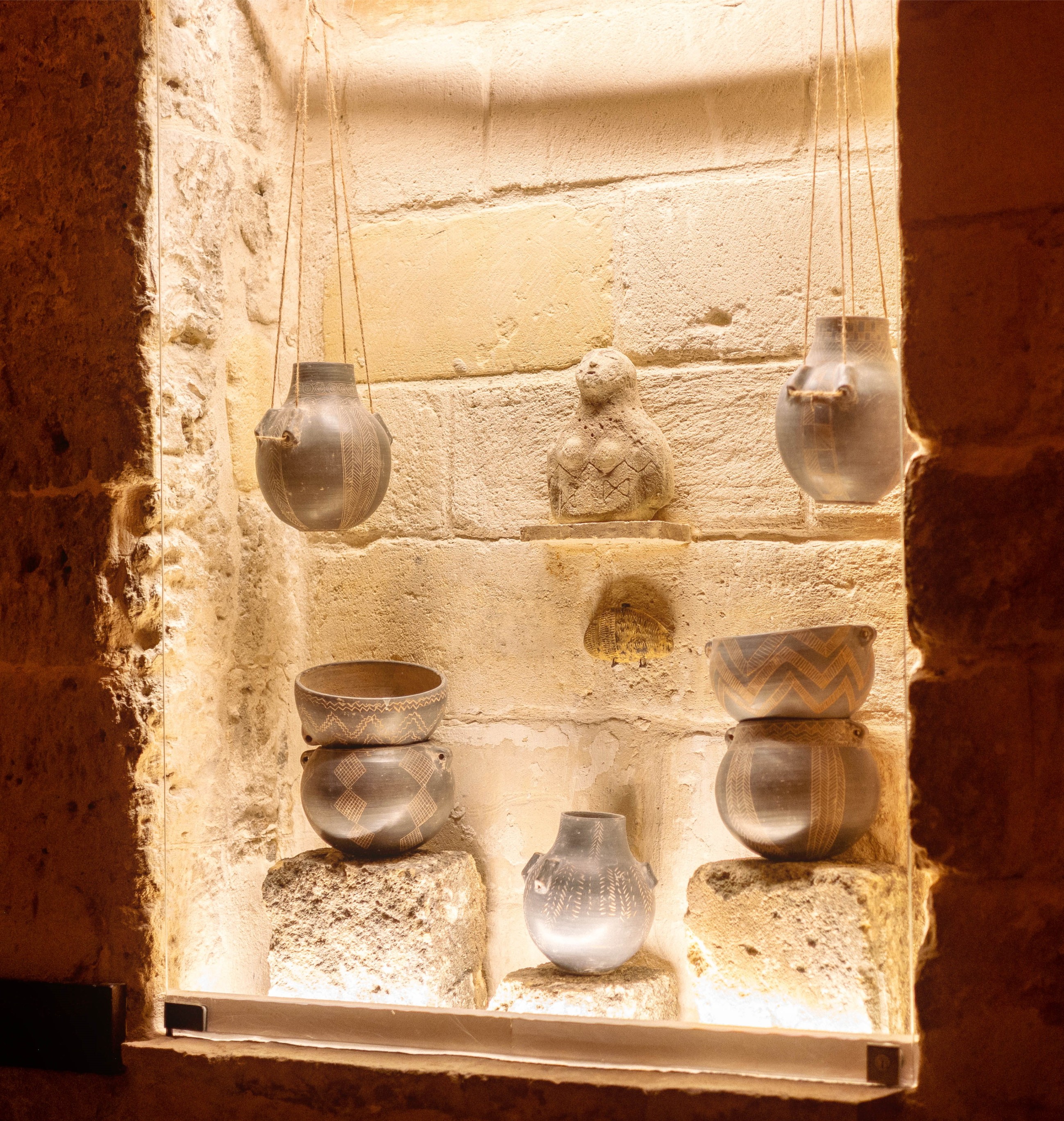
This type of dwelling was present in the territory of present-day Basilicata and in the surrounding areas of Puglia. The dwellings of this phase were characterized by the presence of areas designated for resting and other spaces where jars for food storage and tools for food processing (grinding stones, mortars) were kept.
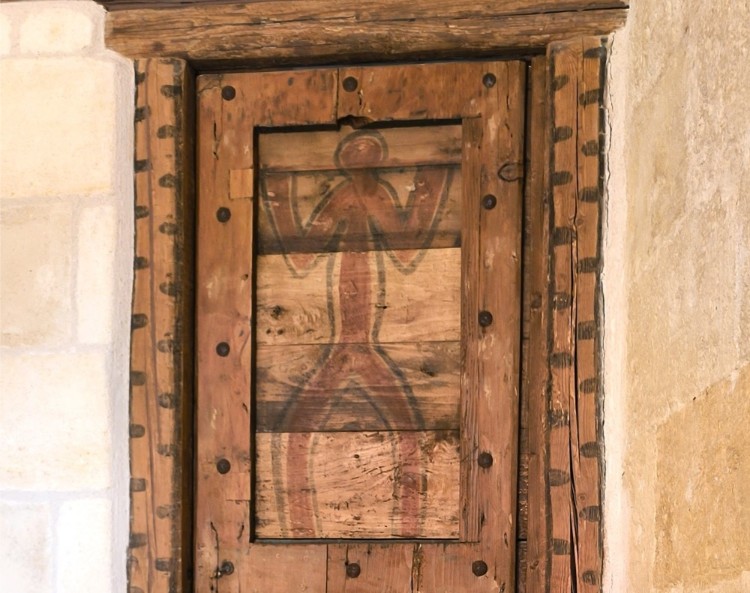
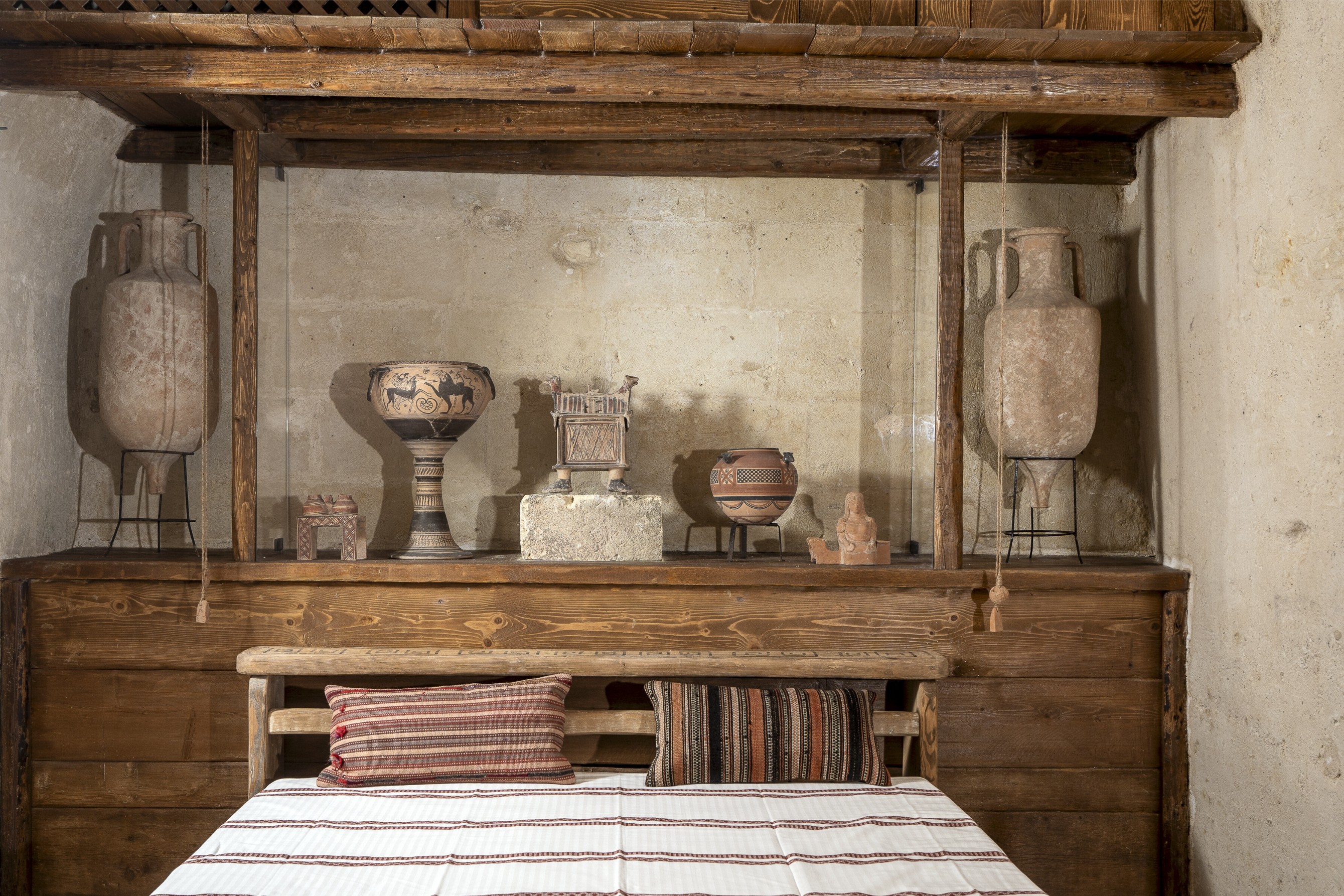
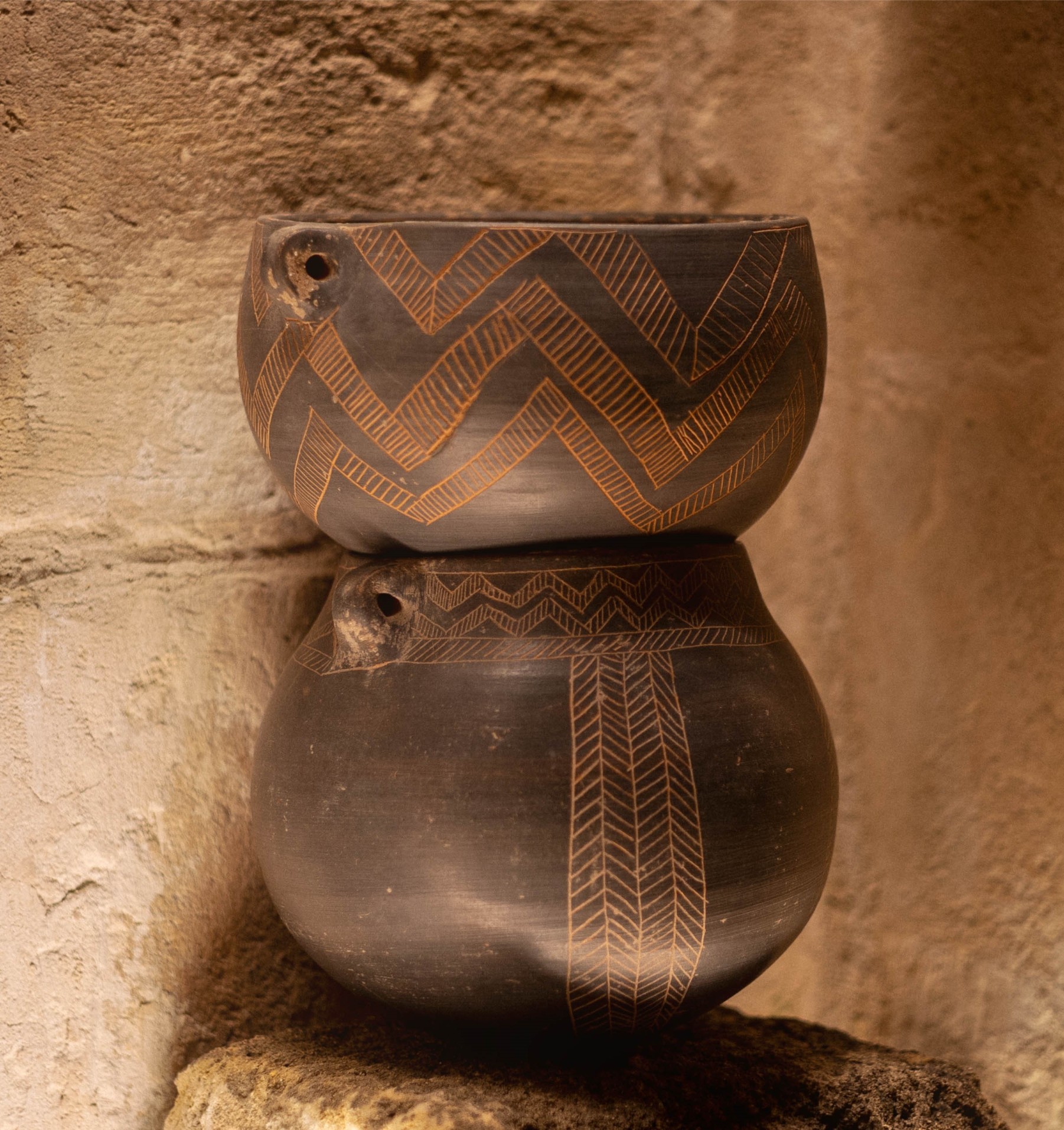
Notable features of this phase include the incised ceramics (decorated with engravings on the dry surface) in the Matera-Ostuni style, showcasing refined geometric and anthropomorphic motifs.
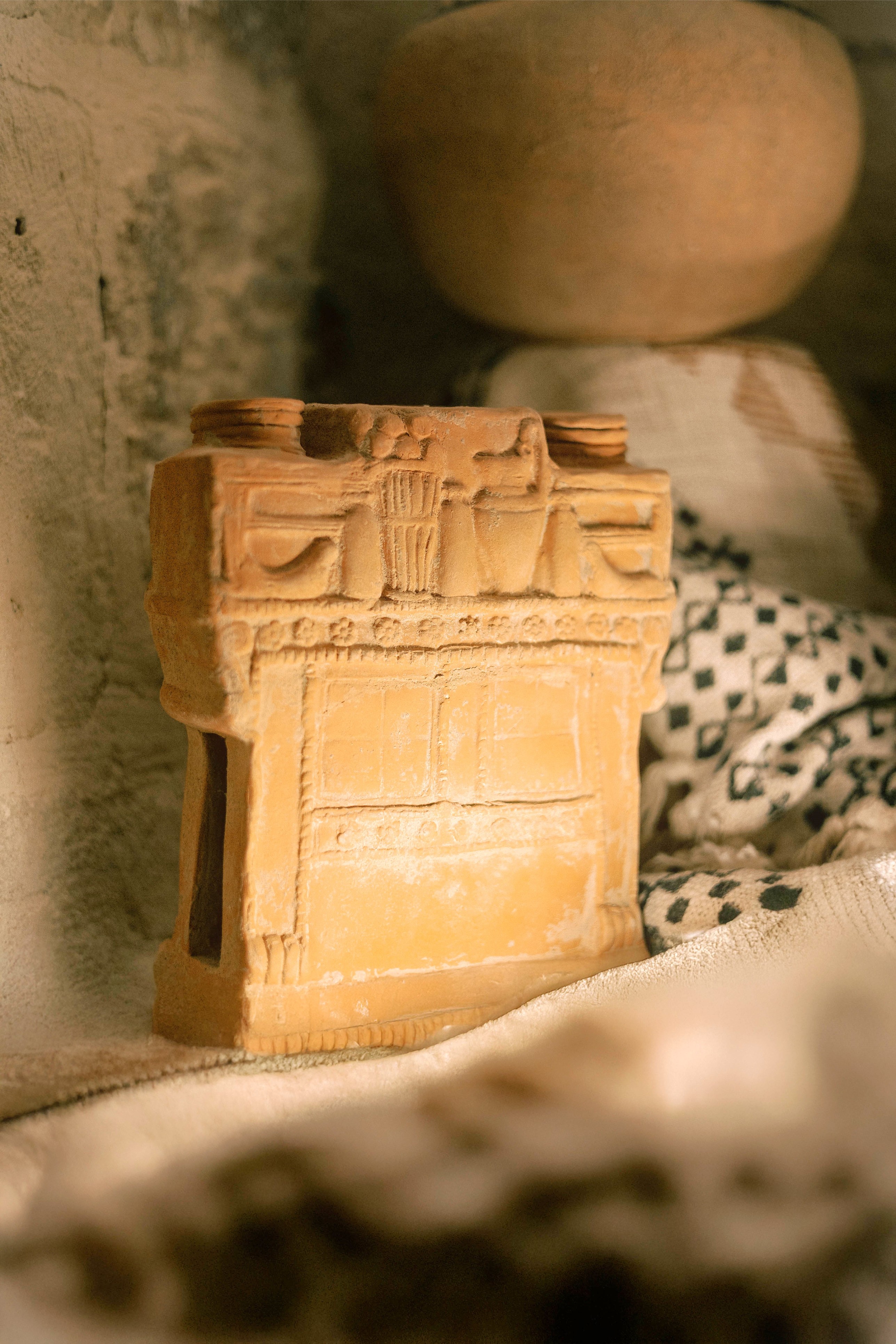
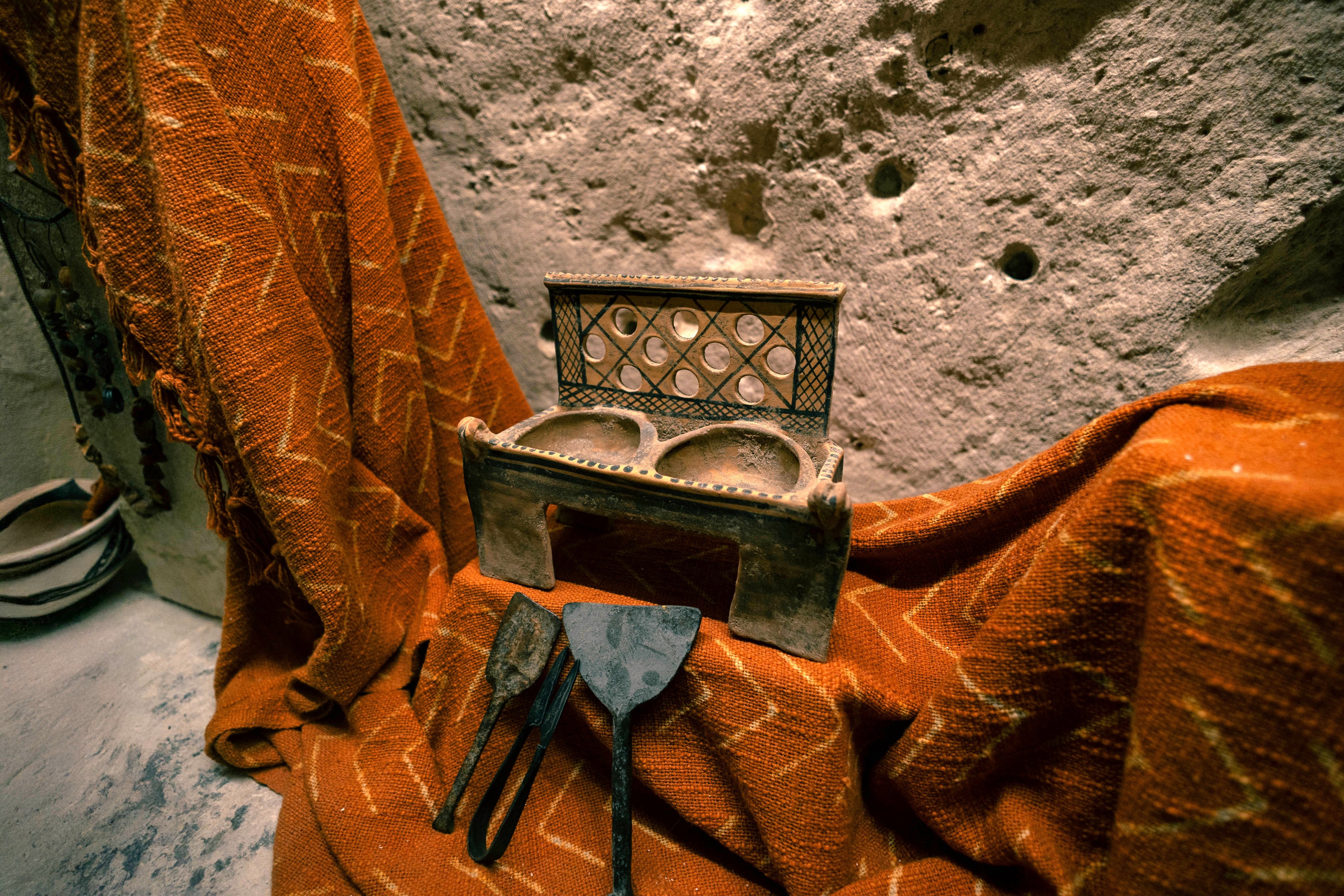
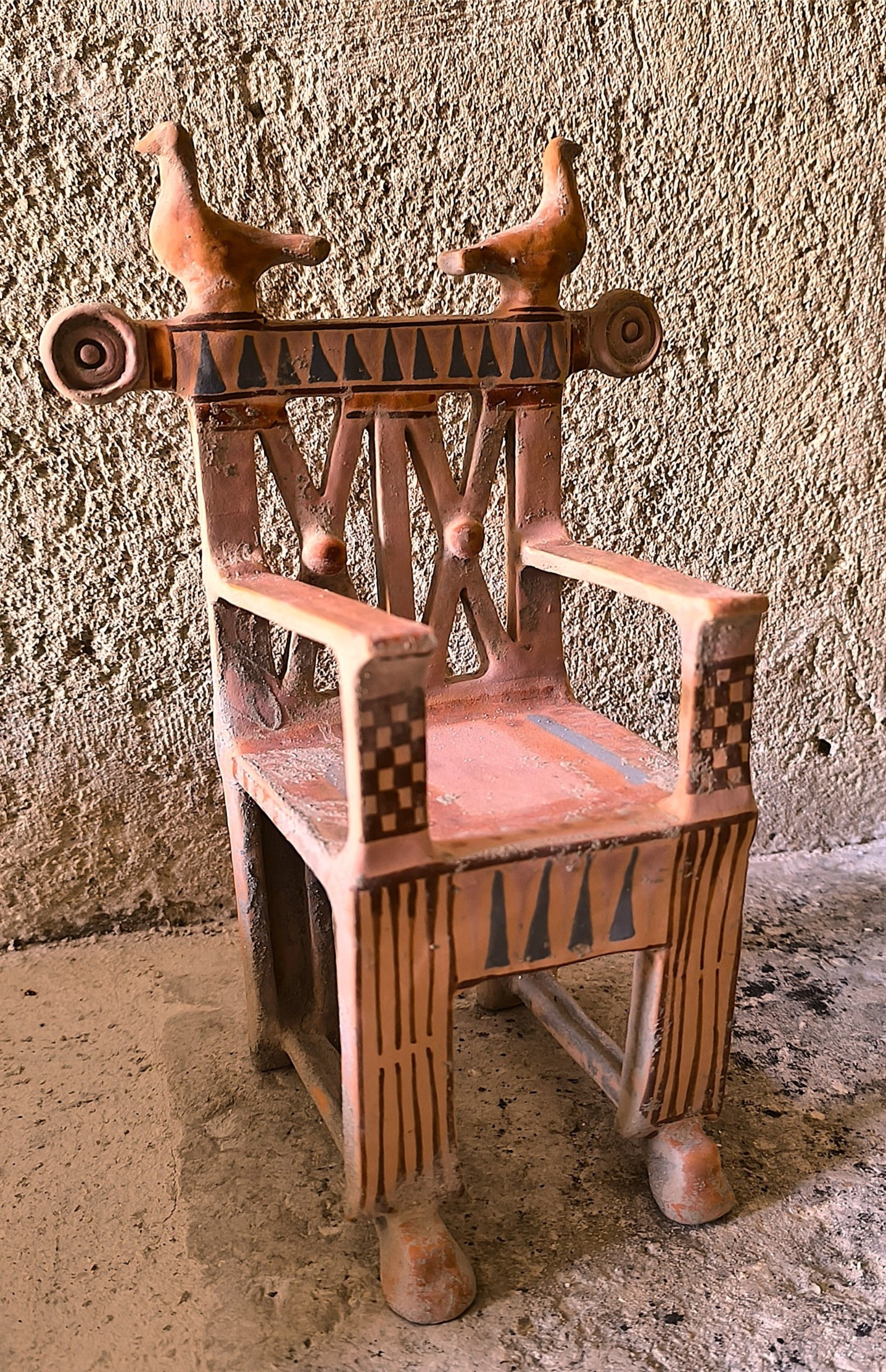
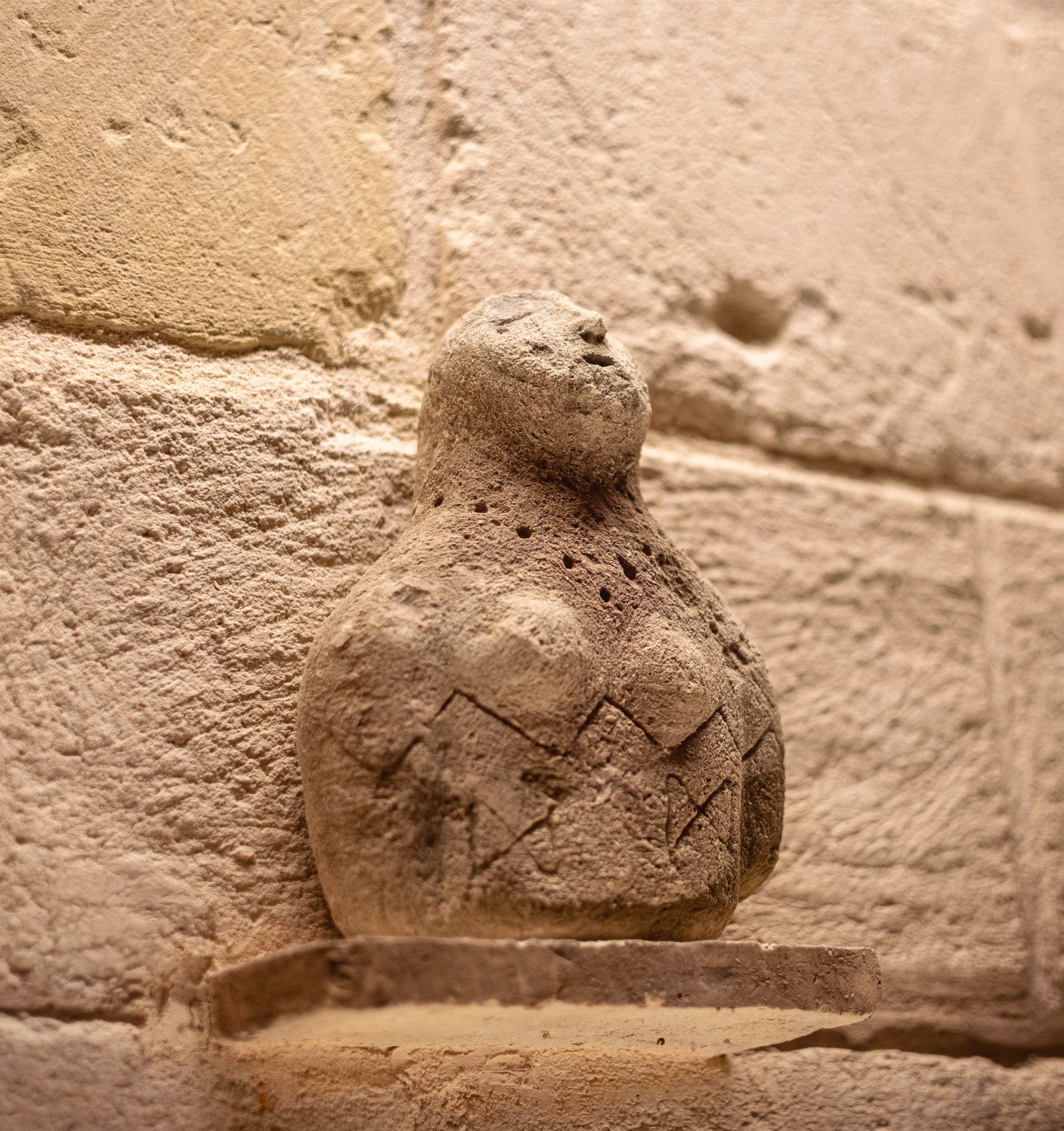
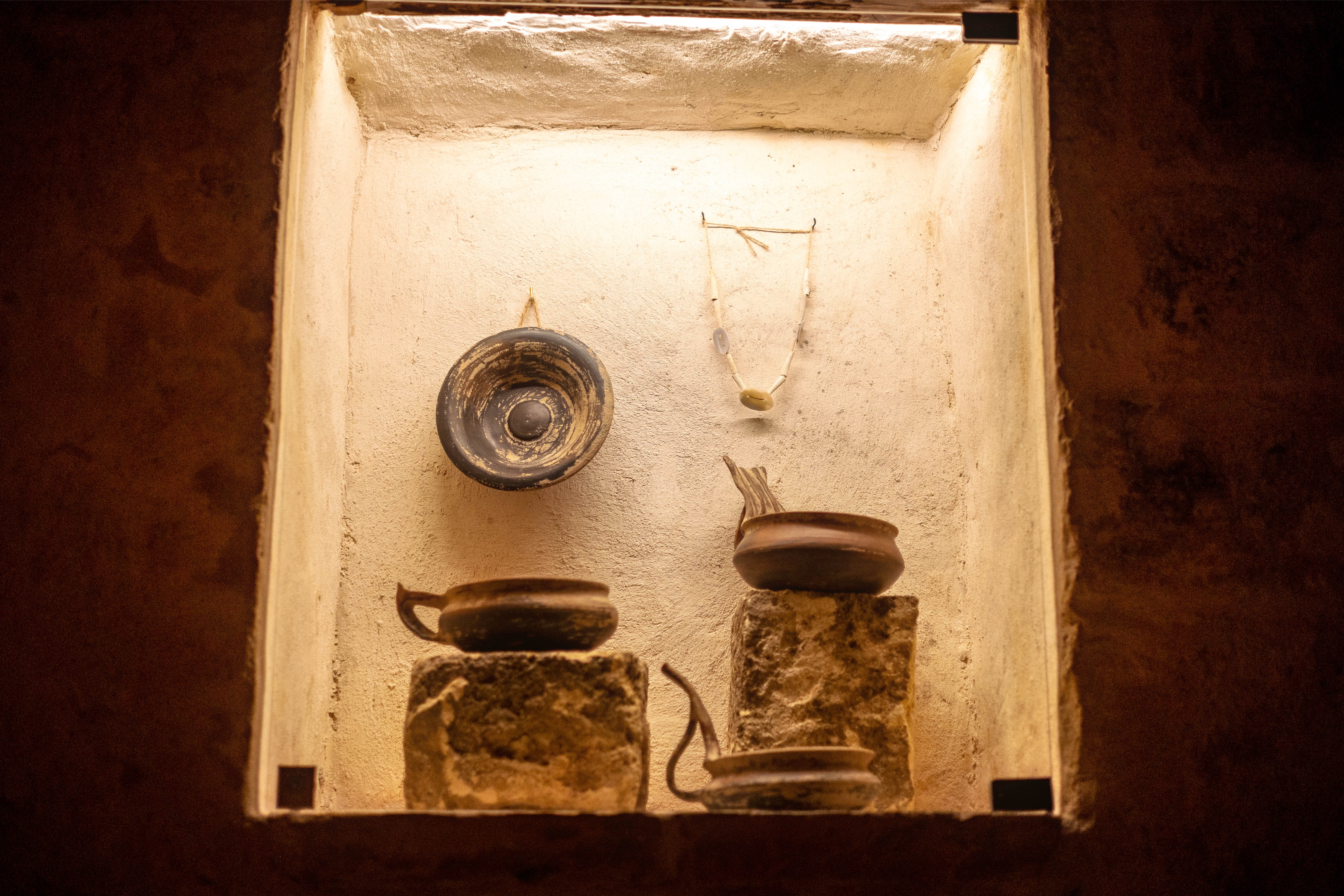
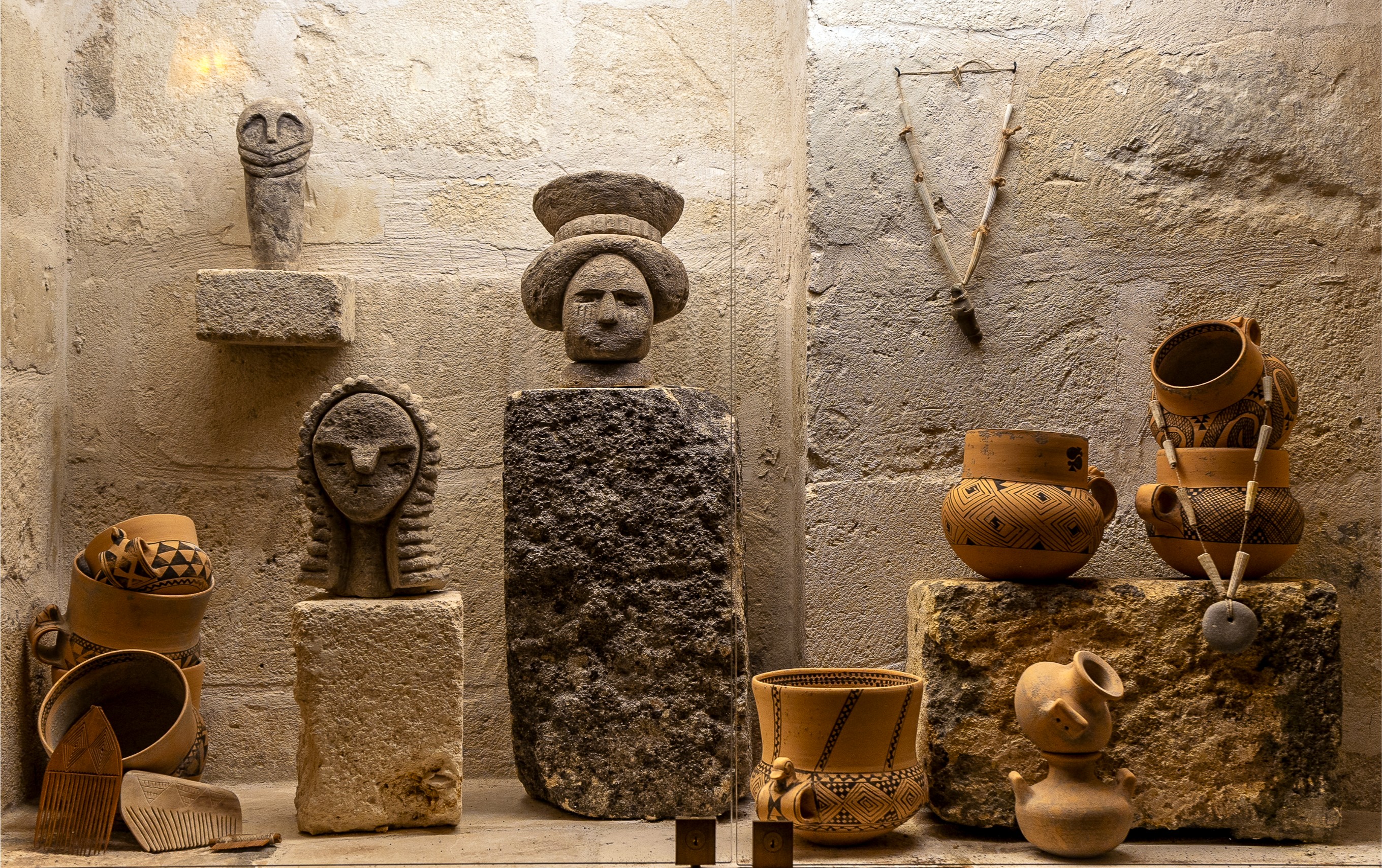
The terracotta Idol placed at the center of the showcase reproduces the Great Mother or 'Sciamana' from Passo di Corvo (FG). The engravings, on the other hand, freely reproduce those found in the Cave of the Deer in Porto Badisco (LE).
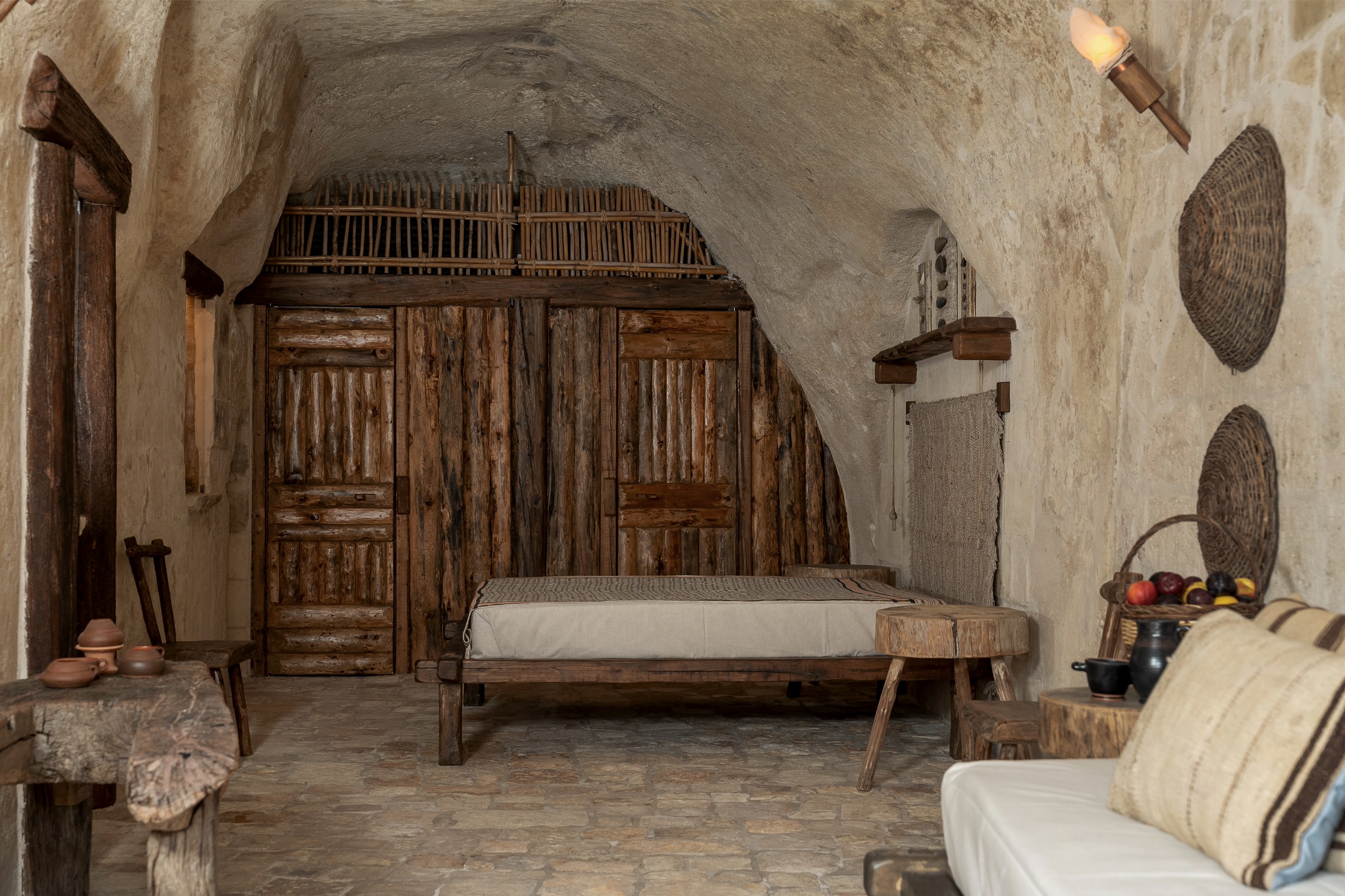
Reconstruction of a Bronze Age House (2nd millennium BC).
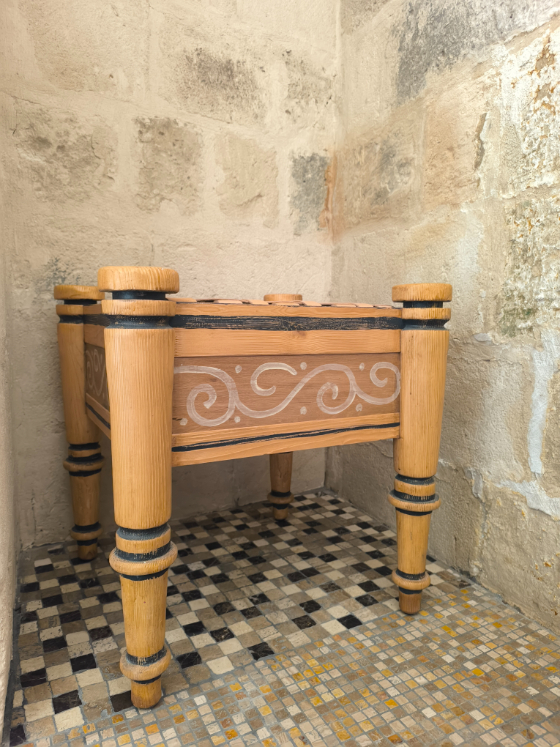
Among the dwellings of this period, those found in the Apennine area of Palma Campania are particularly significant. The dwellings are characterized by large elongated huts with a final apse that was separated from the rest by a wooden partition. In the spacious room, spaces were organized for food preparation, sleeping areas, jars, and other containers for cooking and preserving food.
Important archaeological finds from the eponymous site, located about one kilometer from the Sassi of Matera, testify to a refined culture that influences the entire southern Italy.
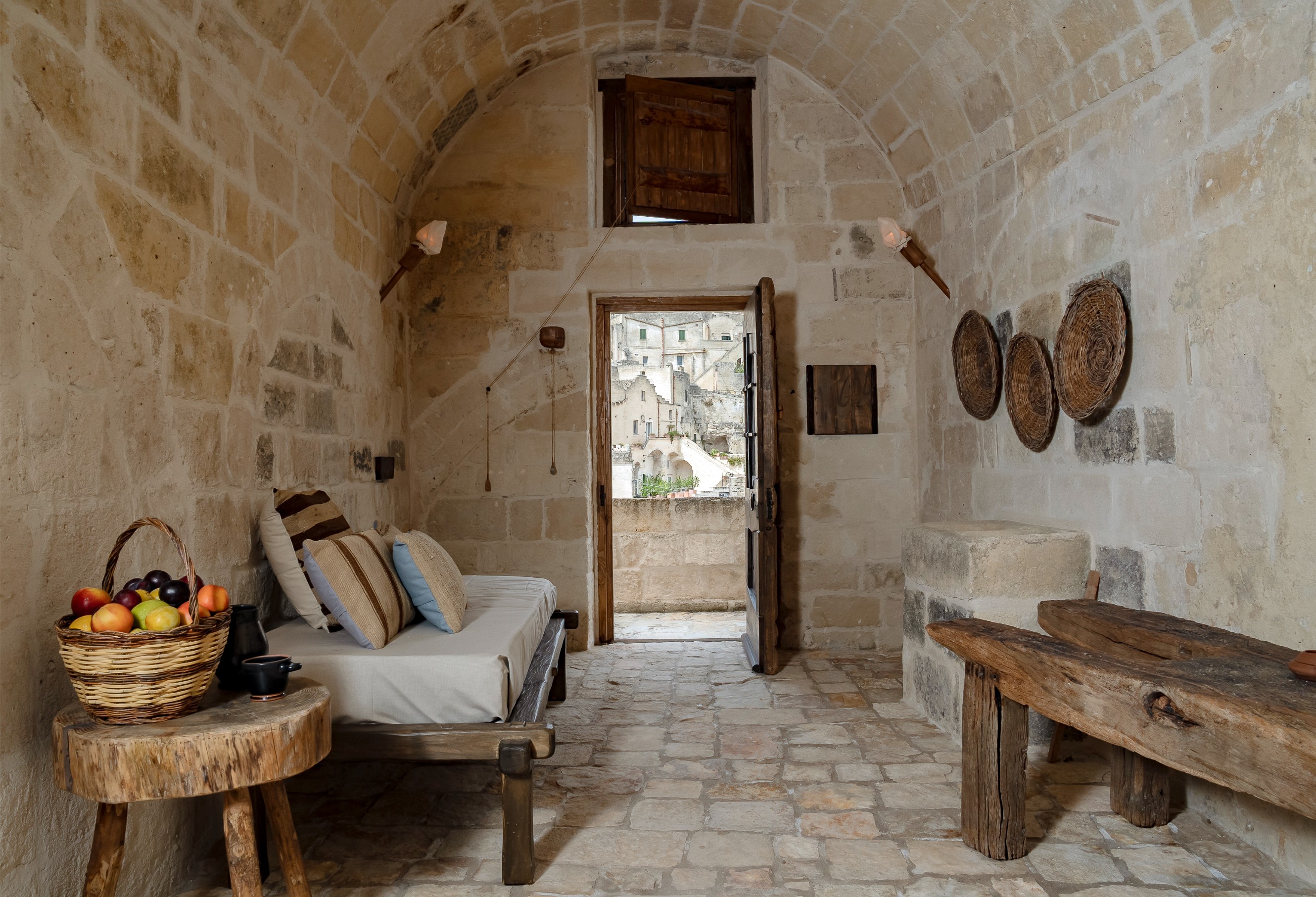
Reconstruction of a dwelling known as "Serra d’Alto" (Middle Neolithic VI-V millennium BC)
Typical of the Serra d’Alto period is the use of natural or excavated hypogea in the calcarenite of the Murge as places dedicated to the worship of water and female deities. The layout of many Matera hypogea perfectly overlaps with these Neolithic sanctuaries.
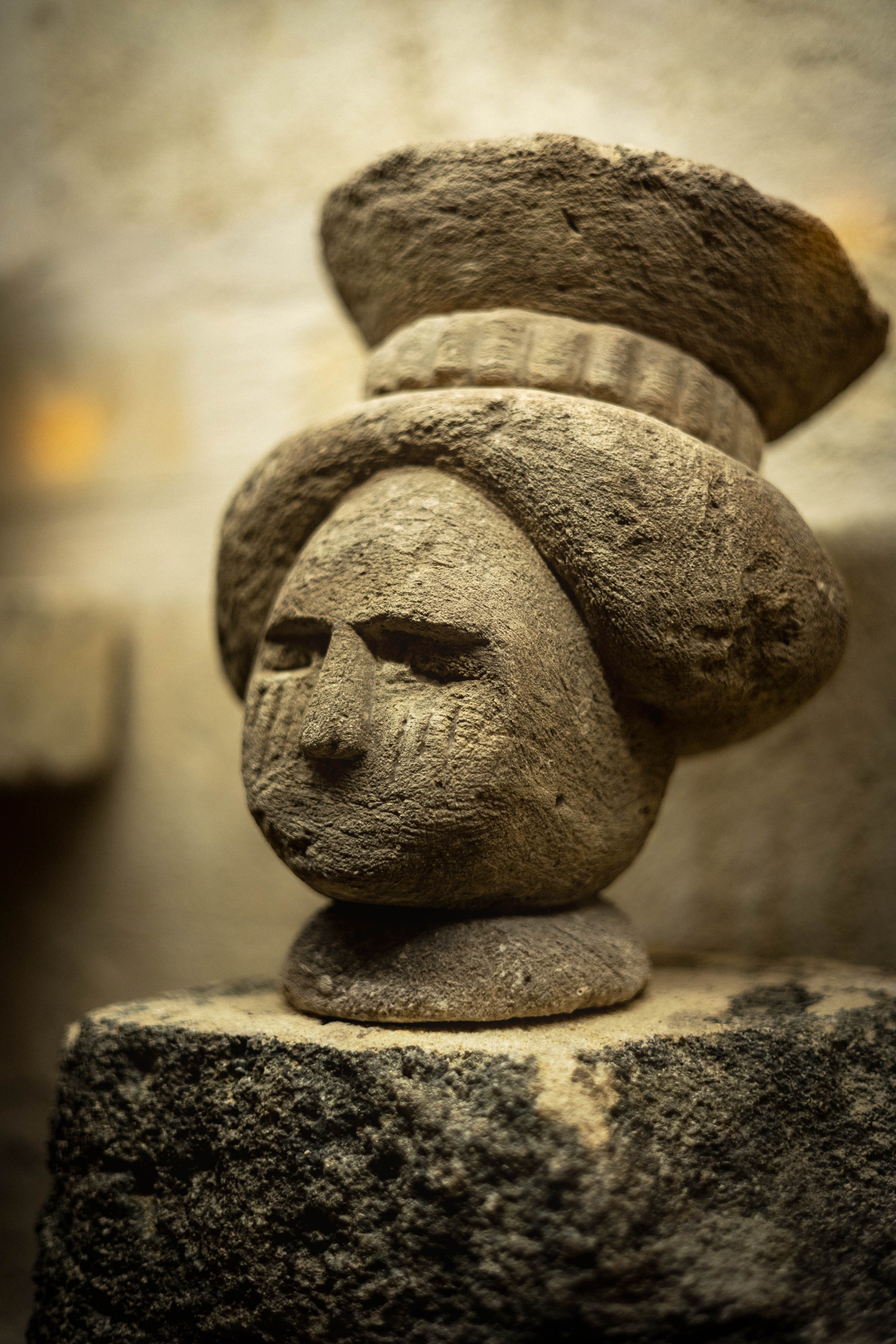
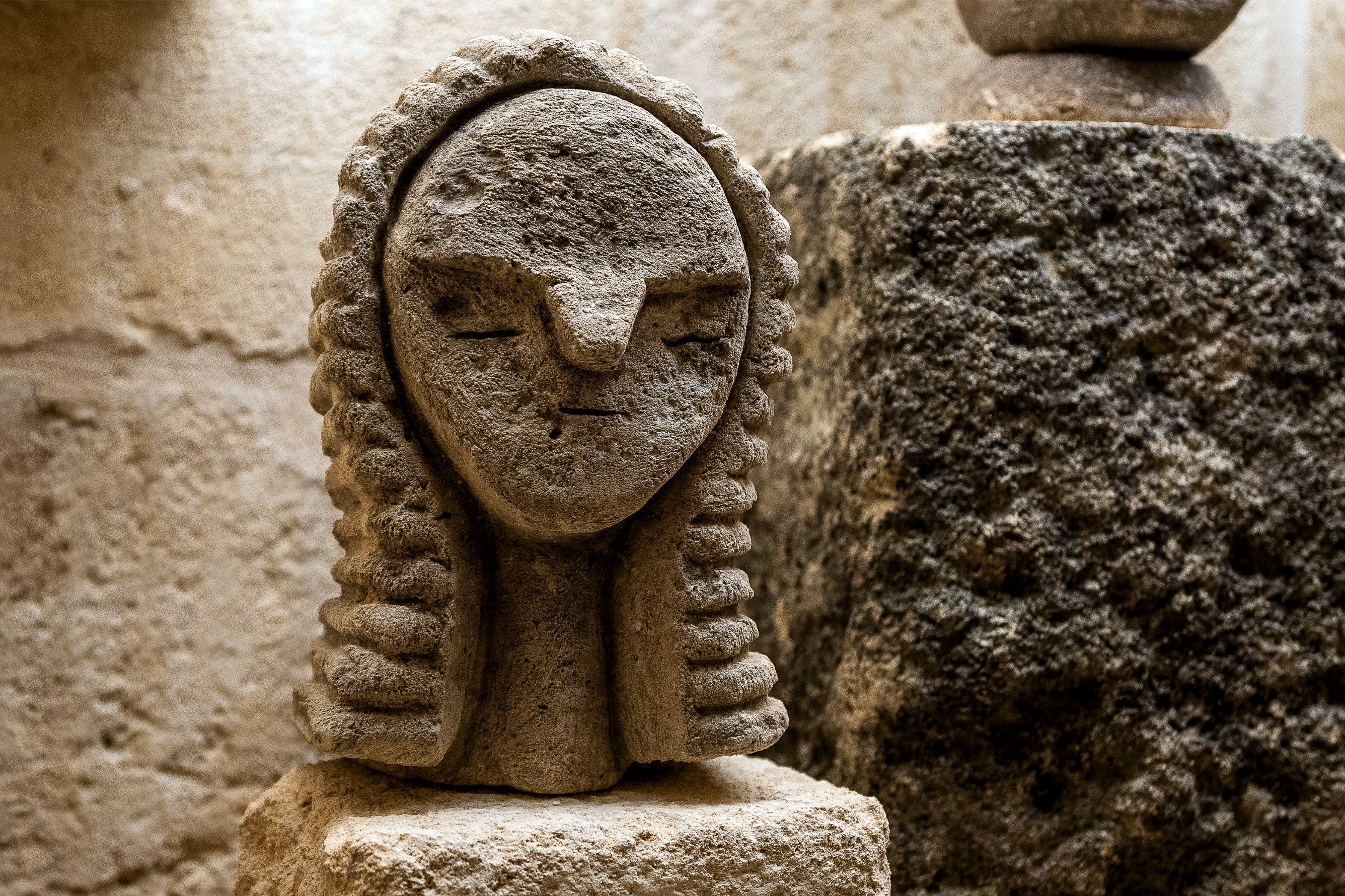
Two heads of Mother Goddesses in limestone have been found in the Grotta Pacelli and in the cave of Cala Scizzo in Puglia. The relevance of the Lucanian world during this phase is primarily evidenced by thin pottery decorated with elegant geometric motifs.
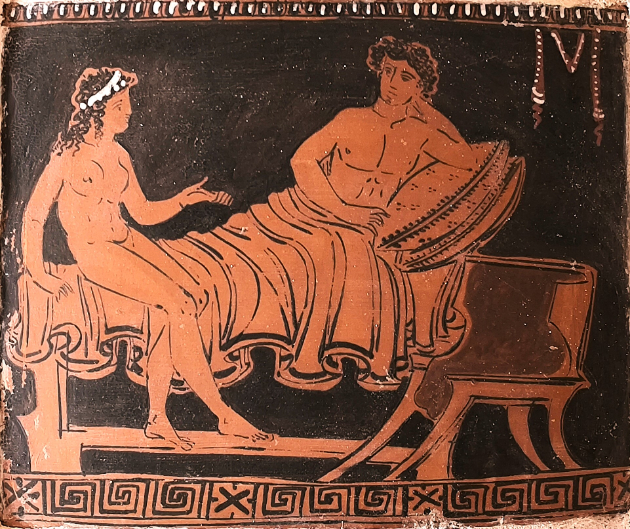
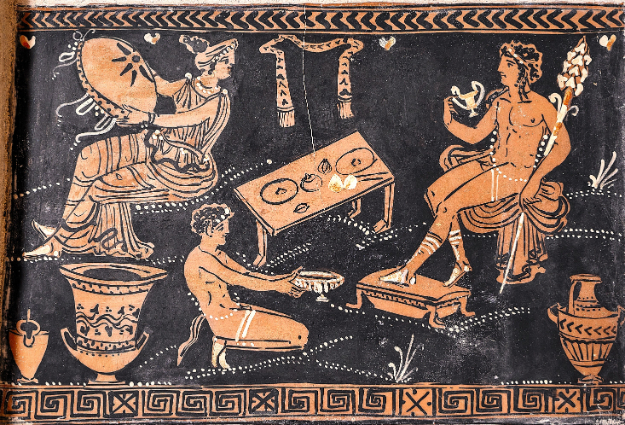
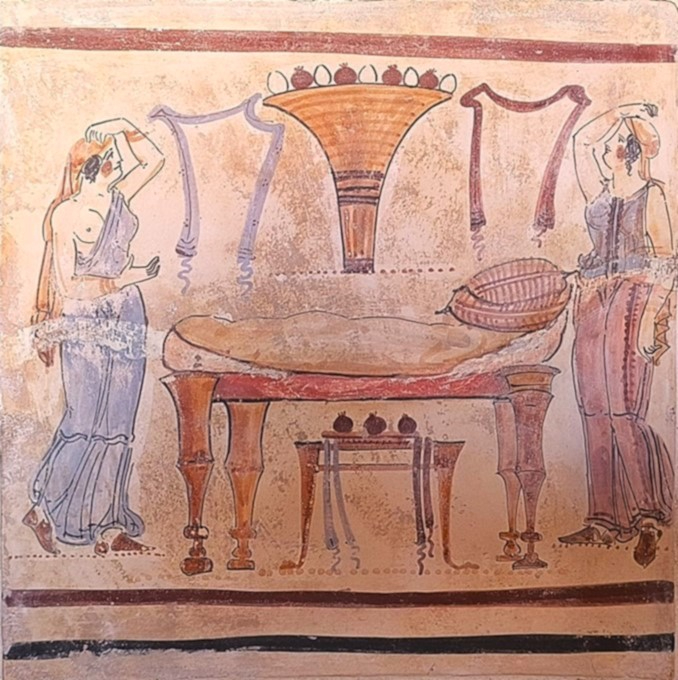
From the 8th century BC, the cities of ancient Greece began to scatter their seeds across the western Mediterranean, casting their gaze upon the sunlit shores of southern Italy and Sicily.
These new colonies blossomed into vibrant realms, their hearts pulsing with political power and military strength, yet equally alive with the flame of culture and the arts.
In these lands dwelled masterful artisans, gifted ceramists, and visionary artists; poets whose verses echoed through time, scientists and philosophers who sought to unravel the mysteries of existence, and playwrights who gave voice to the human soul.
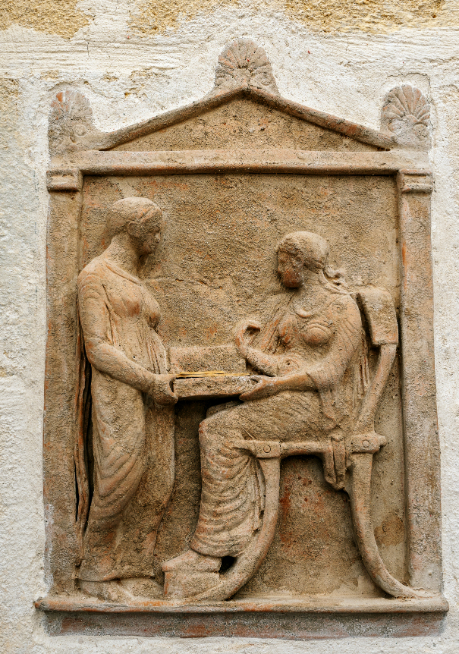
From their collective brilliance arose an extraordinary civilization—Μεγάλη Ἑλλάς (Magna Graecia)—a beacon that carried the spirit of Greek culture to the farthest reaches of the West.
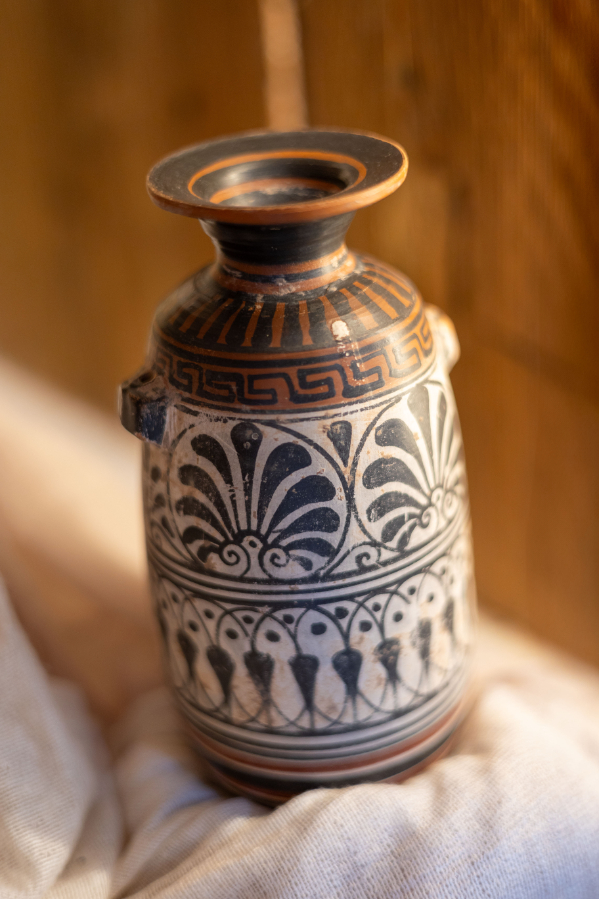
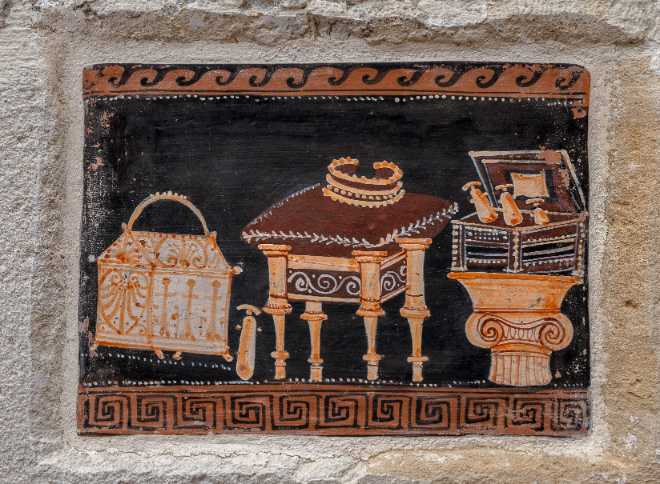
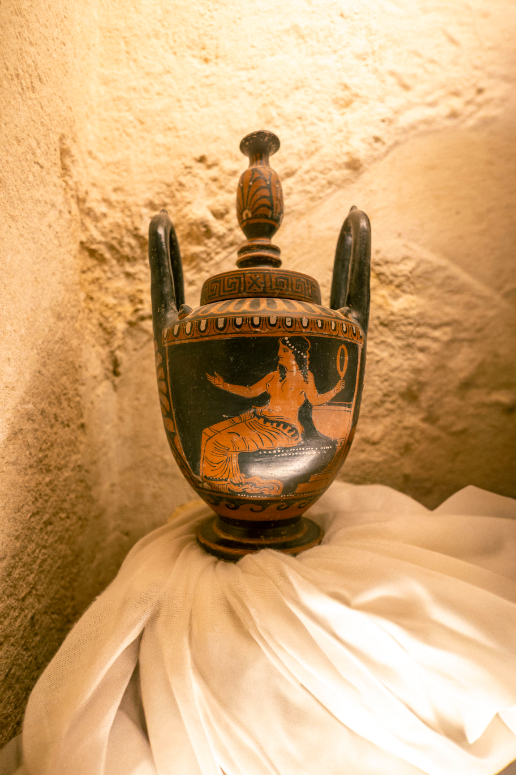
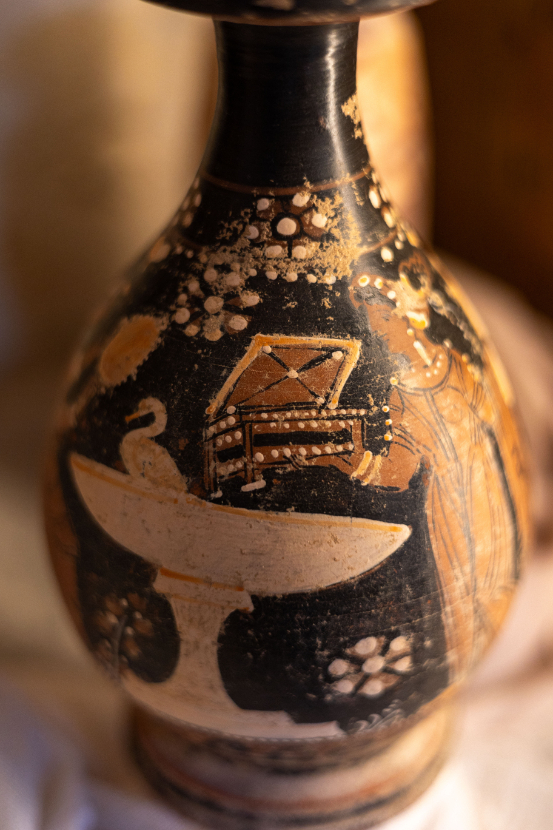
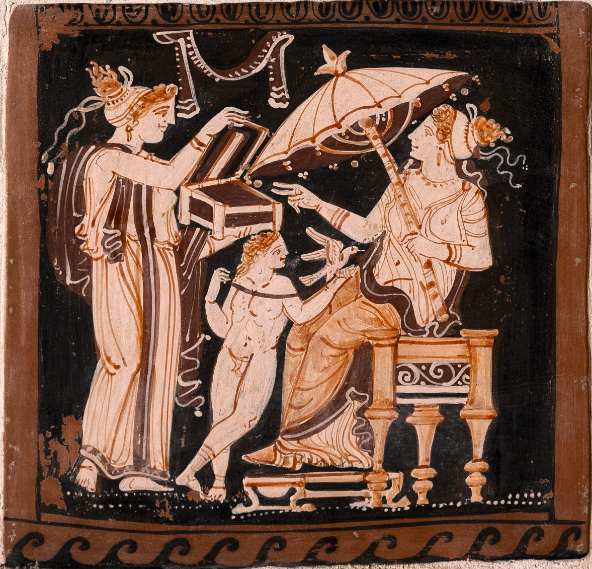
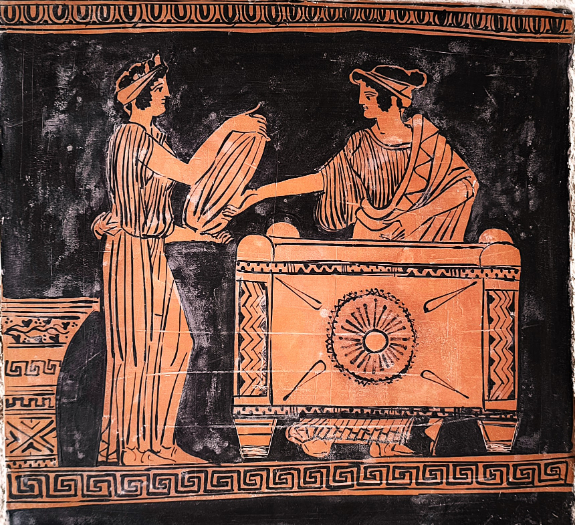
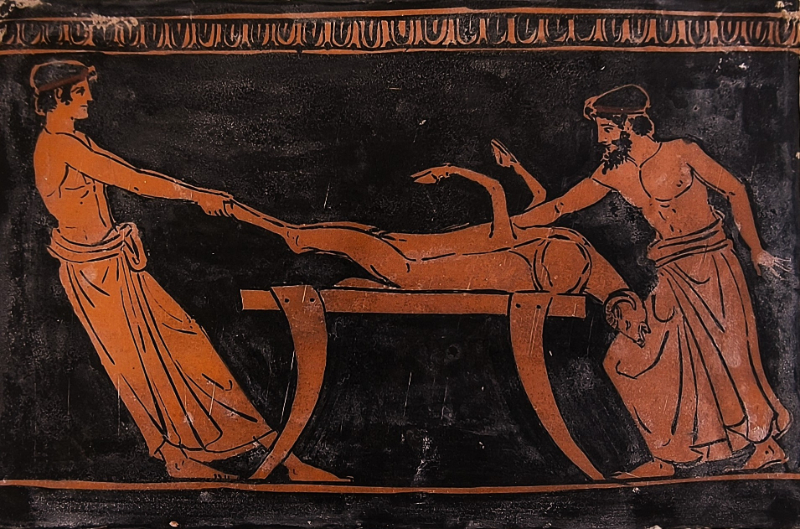
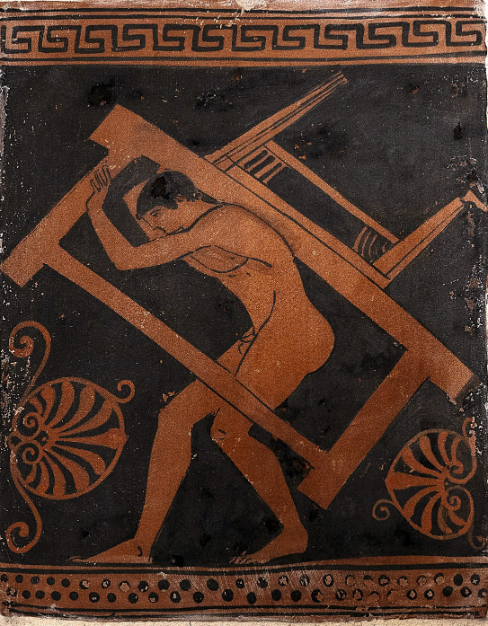
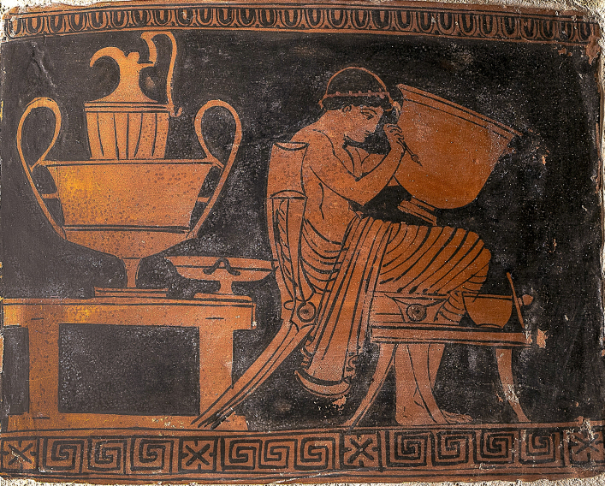
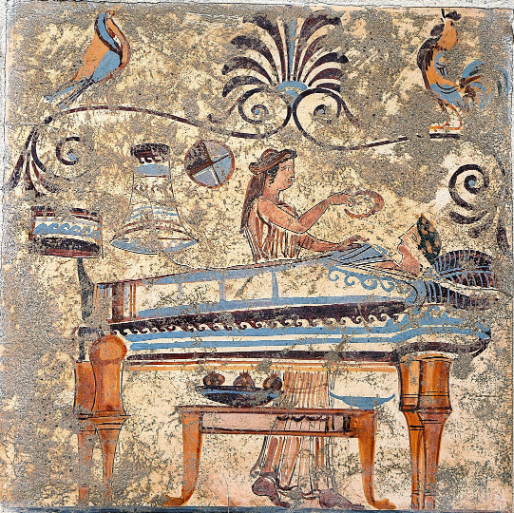
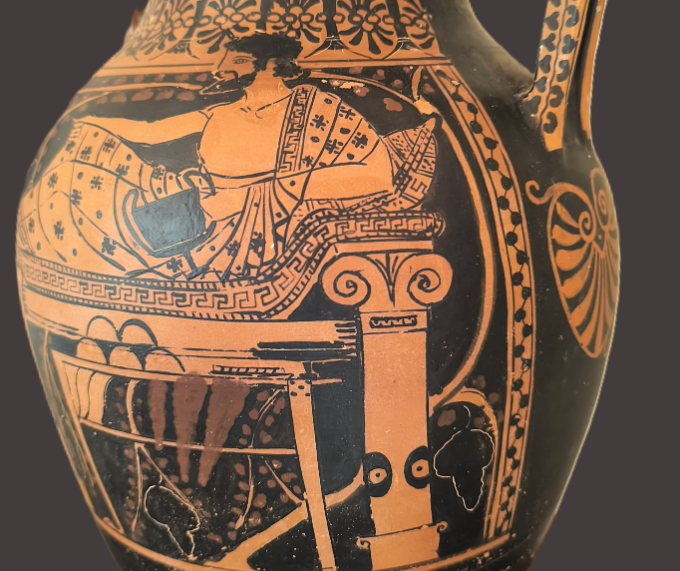
Here, the red-figure pottery flourished, including the exquisite Apulian-Lucanian styles that graced the Lucanian landscape.
The tombs held treasures of immense beauty, and the gold filigree jewelry, wrought by the hands of Magna Graecia's artisans, shimmered with an elegance that defied the ages.

.jpg)

.jpg)